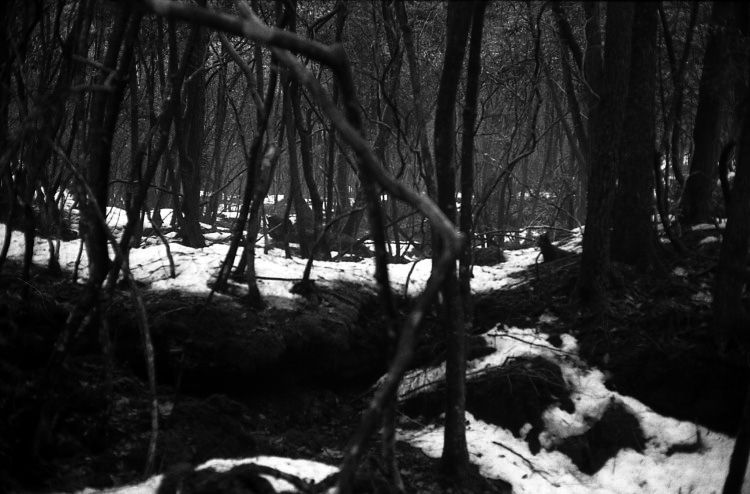
… how Aokigahara was described in Wataru Tsurumui’s bestselling book The Complete Manual of Suicide.(1) A dense, dark forest bordering Mt. Fuji, Aokigahara is infamous throughout Japan as a popular spot for those taking their final journey. In 2002, 78 bodies were found within it, replacing the previous record of 73 in 1998. By May of 2006, at least 16 new suicides had already been found. (2) More than a few of them were even carrying copies of Tsurumui’s book. No one knows how many bodies go undiscovered. Signs emblazoned with messages such as “Please reconsider” and “Please consult the police before you decide to die!” are nailed to trees throughout the forest. However, the woods have such a reputation that these minor deterrents do little to stop the determined. Local residents say they can always tell who is going into the forest hunting after the macabre and who is planning never to return.
Part of the appeal is dying at the foot of the sacred Mt. Fuji. Part of it is the foreboding nature of Aokigahara, so dense and thick that from just a few kilometers inside it no sounds can be heard other than those produced by the forest itself. Aokigahara is considered the most haunted location in all of Japan, a purgatory for yurei, the unsettled ghosts of Japan who have been torn unnaturally soon from their lives and who howl their suffering on the winds. (3) Spiritualists say that the trees themselves are filled with a malevolent energy, accumulated from centuries of suicides. They don’t want you to go back out. (4)
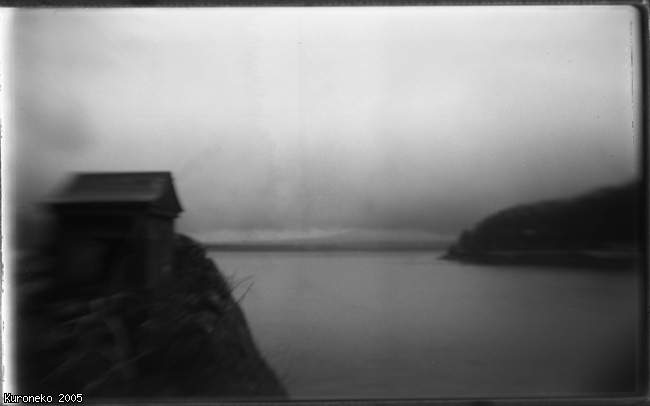
Forestry workers rotate in and out of shifts at a station building in Aokigahara, and occasionally they will come upon unfortunate bodies in various states of decomposition, usually hanging from trees or partially eaten by animals. The bodies are brought down to the station, where a spare room is kept especially for such occasions. In this room are two beds: one for the corpse and one for someone to sleep next to it. It is thought that if the corpse is left alone, the lonely and unsettled yurei will scream the whole night through, and the body will move itself into the regular sleeping quarters. (5) — Zack Davisson, seekjapan, jp
(1)
The Complete Manual of Suicide(Japanese:完全自殺マニュアル) is a Japanese book written by Wataru Tsurumi. It was first published on the 4th of July, 1993 and sold more than one million copies. This 198 page book provides explicit descriptions and analysis on a wide range of suicide methods such as overdosing, hanging, jumping, carbon monoxide poisoning, etc. Moreover, this is not a suicide manual for the terminally ill. There is no preference shown for painless or dignified ways of ending one’s life. The book provides matter-of-fact assessment of each method in terms of the pain it causes, effort of preparation required, the appearance of the body and lethality.
Tsurumi covered 11 categories of suicide methods:
Overdosing
Hanging
Self-defenestration
Slashing the wrist and carotid artery
Car collision
Gas Poisoning
Electrocution
Drowning
Self-immolation
Freezing
Miscellaneous
All chapters begins with a graph assessing the method in question in terms of: the pain it causes, effort of preparation required, the appearance of the body, the disturbance it may cause for others and its deadliness. Each of these matters is also rated by skulls, with 5 skulls indicating the highest rating.
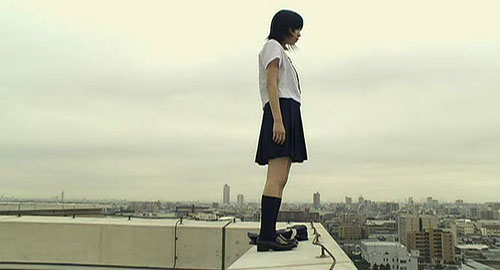
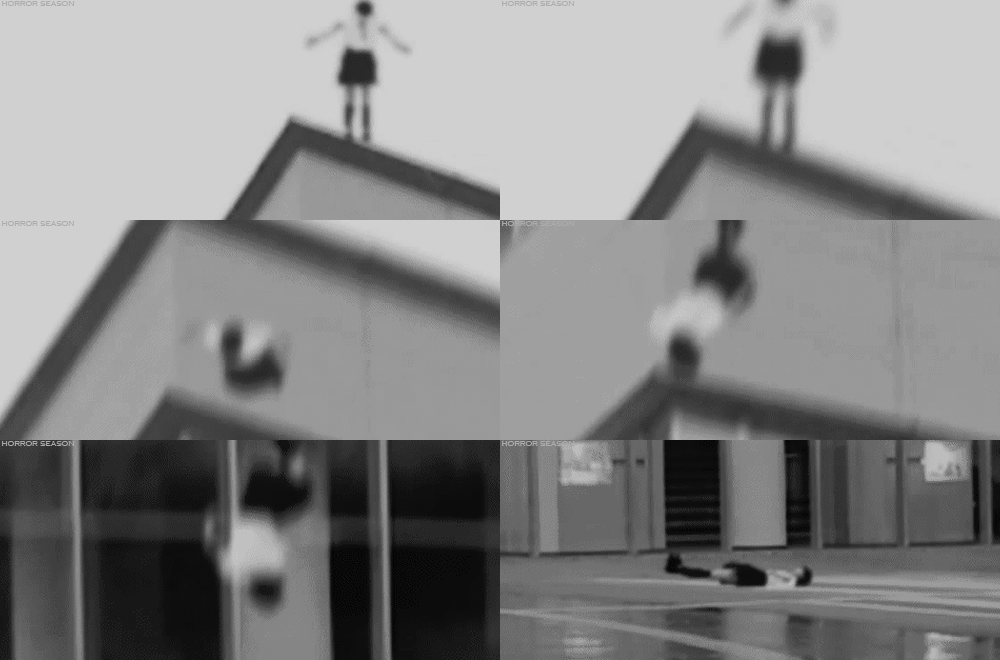
In 2003, Fukutani Osamu, inspired by the book, made the movie ‘The Suicide Manual.’
Ghost Radar, by Japanese Technology, catches Ghost in Aokigahara!
‘You can search Ghost using Baketan! Simply, push the button. Then it starts searching for Ghosts! It keeps blinking for about 10 seconds. If the circumstance around you is normal, it ends blinking (shortly, it blinks 3 times in the end.) oh, you can feel ease =) HOWEVER! if something unusual, it cautions you by blinking in red continuously with some buzzer sounds!!
It’s in danger!! Get out of the place you stand! Or if you have to stay there, keep pausing the button for some seconds, then, BAKETAN safe mode starts to expel some Ghost out of your body! Go out in Aokigahara midnight and find Ghost but beware of being posed by Ghosts or Devils!! Once you find something untouchable horrible existence, push the BAKETAN and protect by its safe mode.’
(4)
‘Walking into the forest to take photographs (see: below), we found a long piece of string; someone’s previous path in and out (we hoped). My mobile phone, while working at the car, no longer had signal – its GPS menu not working also.
‘We took an extra handheld GPS unit to ensure we could return. It often stopped working when we went low into some rocks. We would climb out and it would tell us to walk in one direction, and off we would go. Loosing satellites as we again went down into the rocks. Once again we would acquire some satellites and it would tell us to head off in a different direction. Or was it?
‘After an hour of trying to get out we came across our own footsteps in the snow. While not panicking, I was concerned now. Another 30 minutes of trudging up and down the snow covered rocks, we came upon a snow-bound tennis court. Backing into Aokigahara, it was on side-street off the path where we had parked the car… We never saw the string again.’ — Urban Exploration Resource
TOTAL 22,104
* source: Japan National Police Agency
Comix
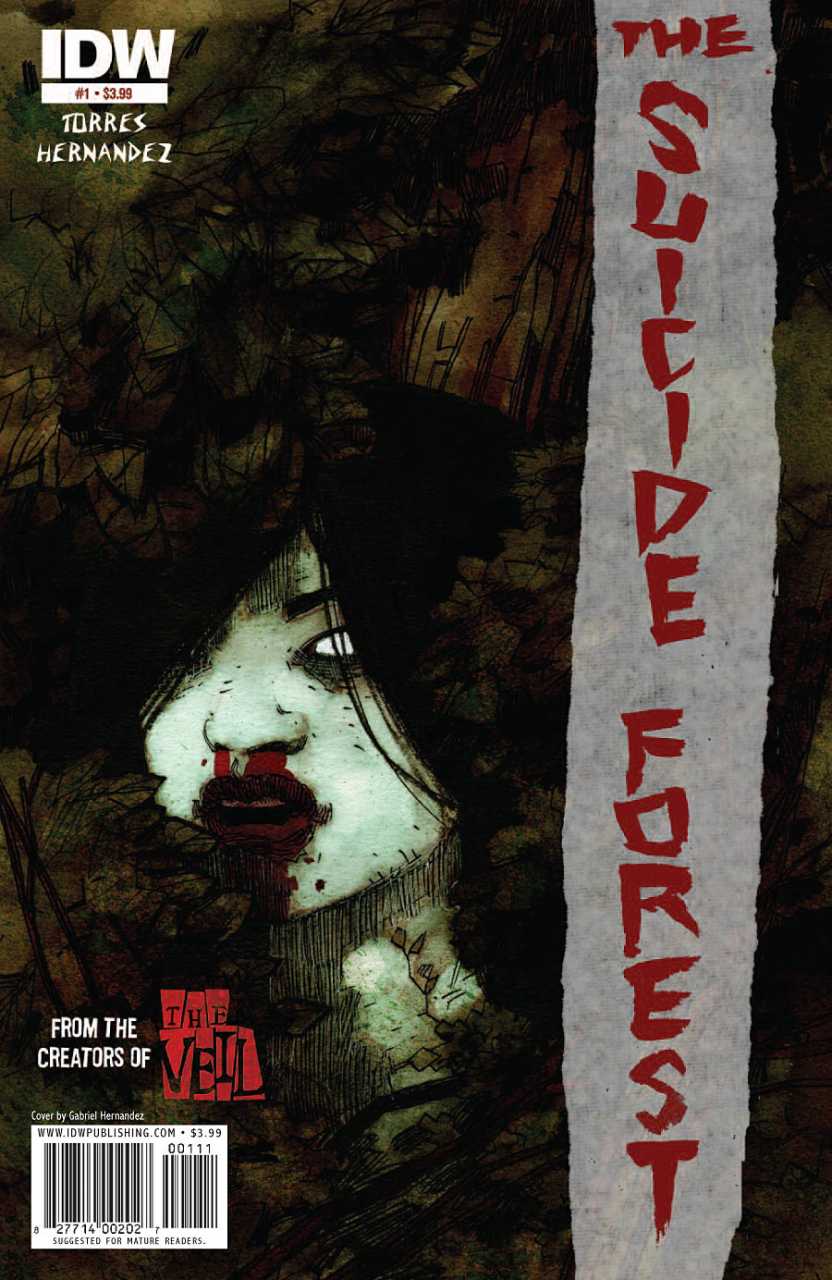
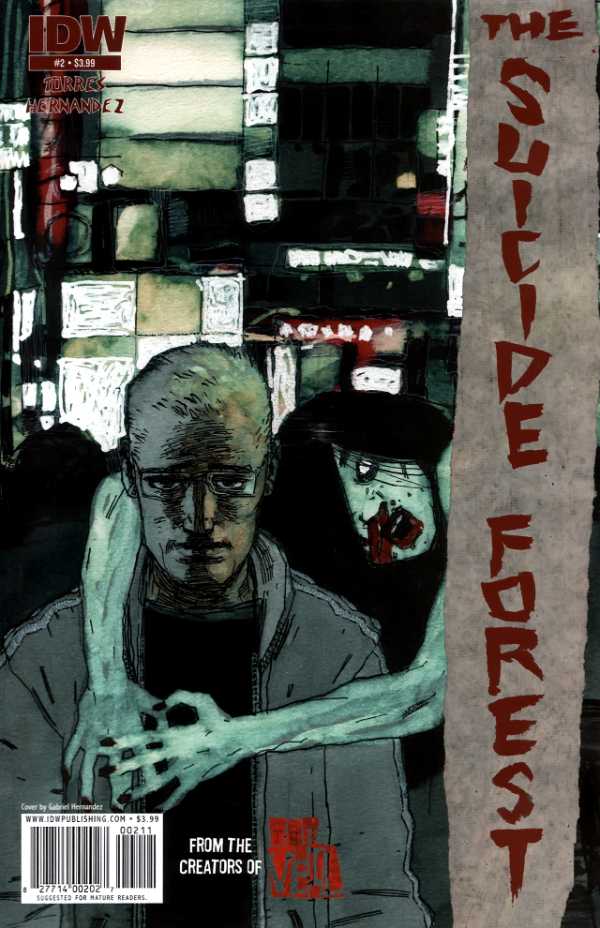
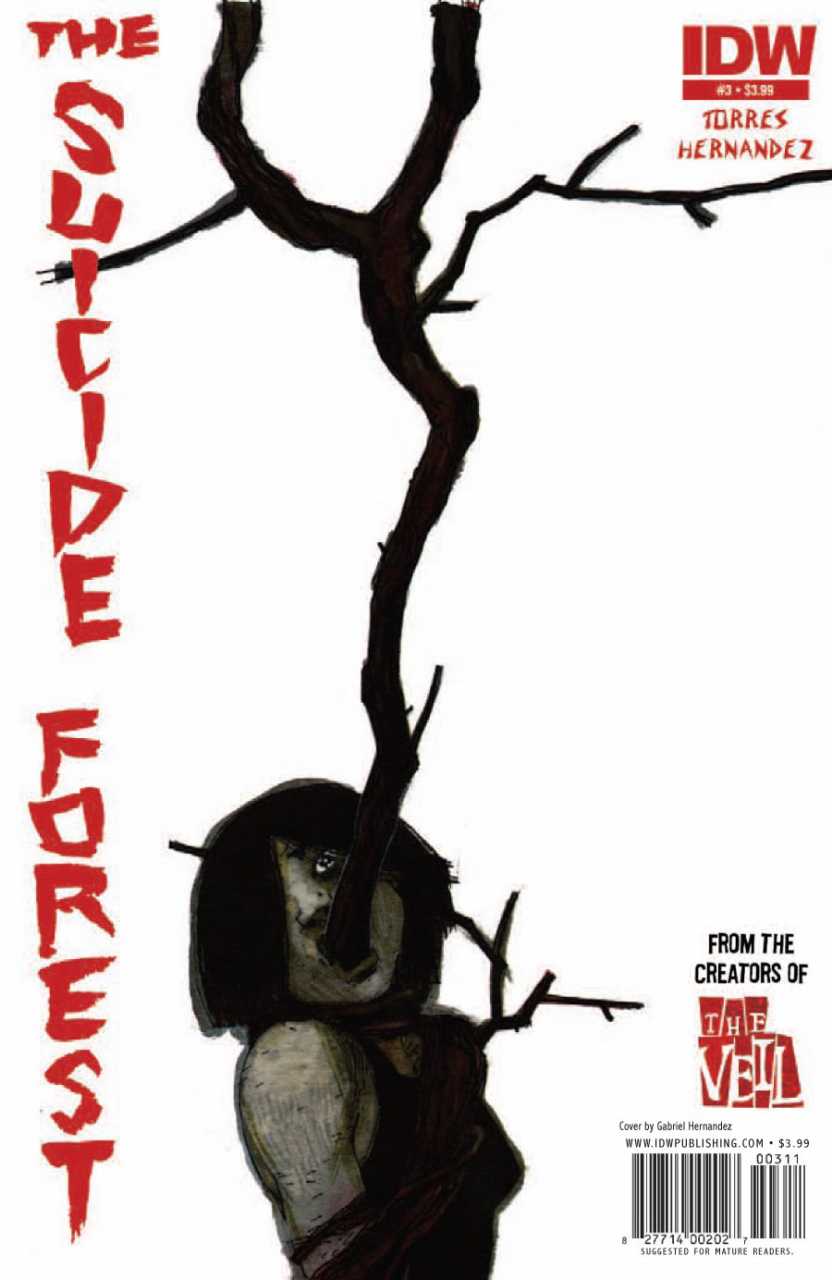
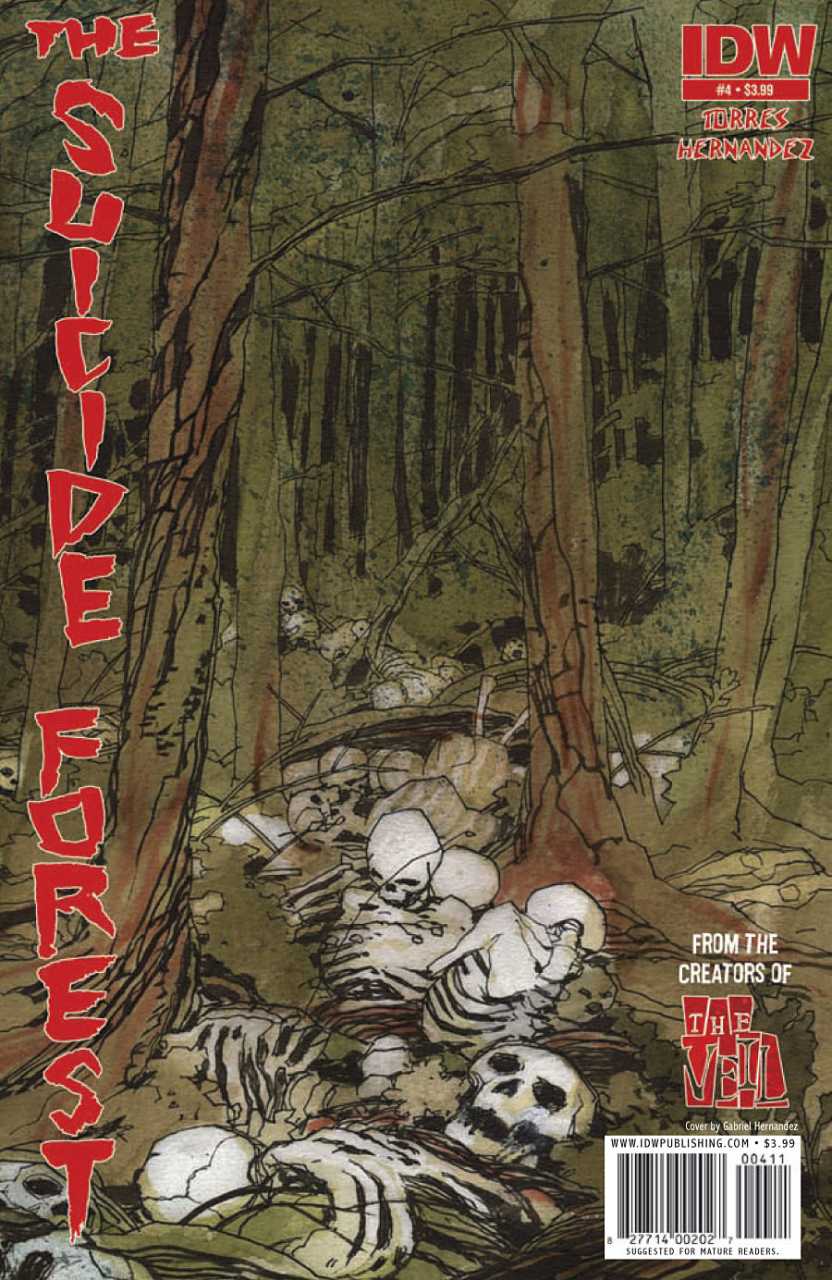
El Torres & Gabriel Hernandez Walta The Suicide Forest
‘Just outside of Tokyo lies Aokigahara, a vast forest and one of the most beautiful wilderness areas in Japan… which is also the most famous suicide spot in the entire world. Legend has it that the spirits of those many suicides are still roaming—haunting deep in those ancient woods. This series from the creators of the acclaimed The Veil examines the lives of Alan, an average worker from Tokyo and his rather unhealthy relationship with Masami, and Ryoko, a forest ranger who recovers the suicide victim’s bodies from the woods. We discover that behind Ryoko’s unconcerned surface lies a secret, and these three lives will be forever changed by the darkness waiting for them in the Suicide Forest.’
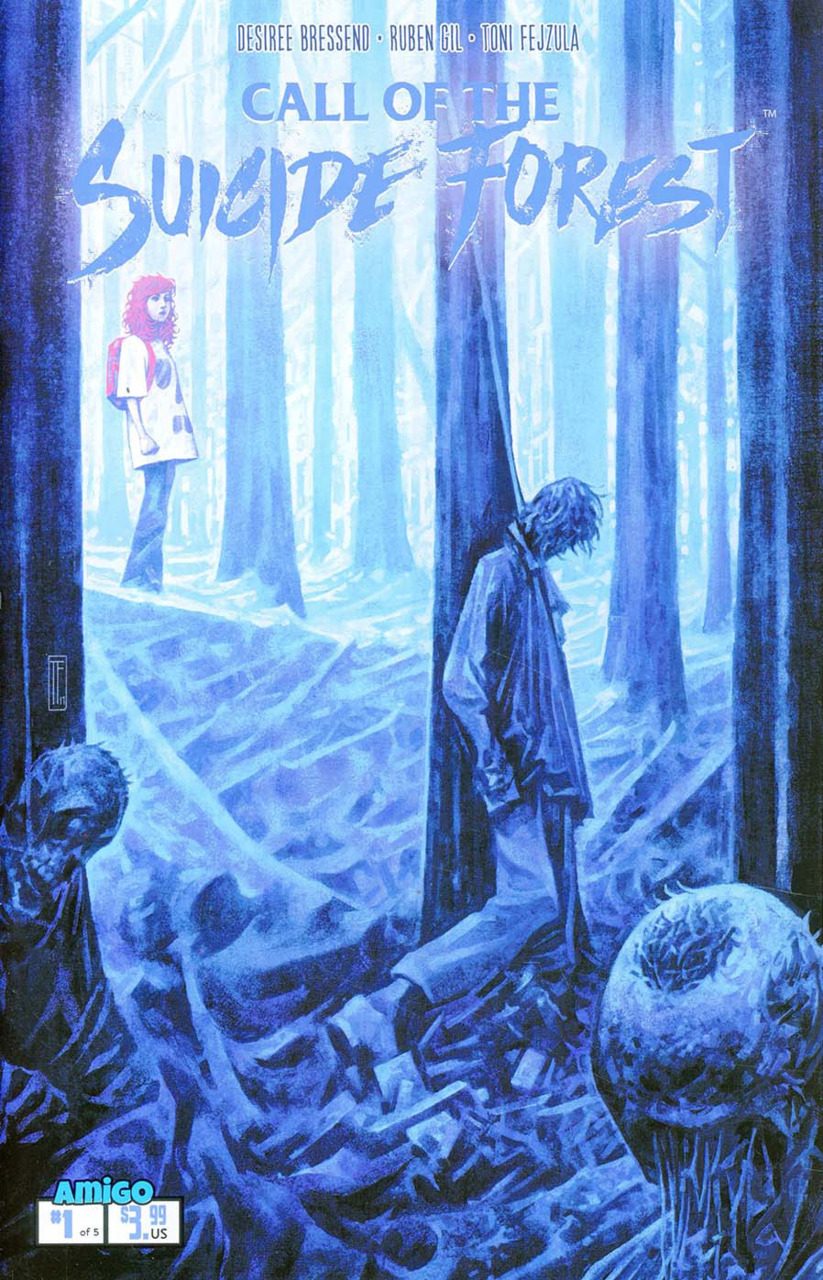
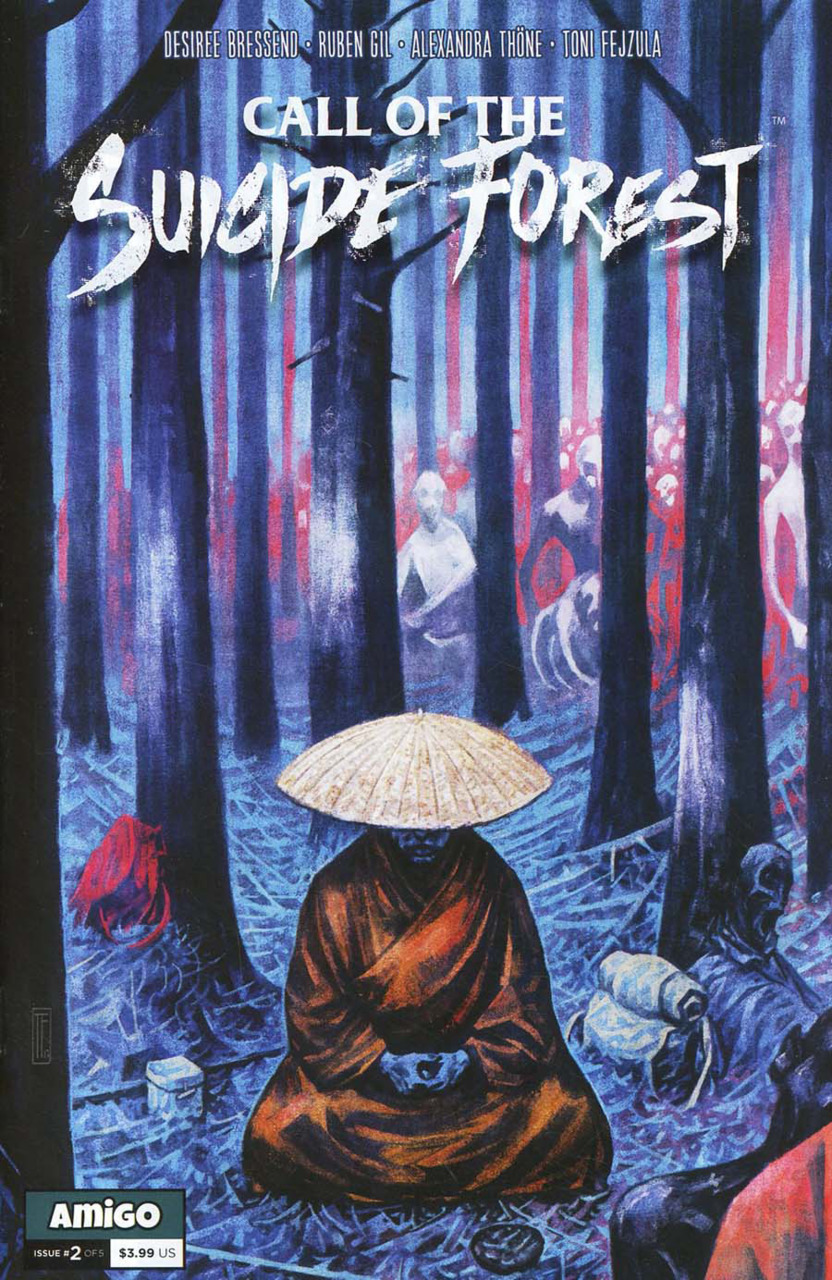
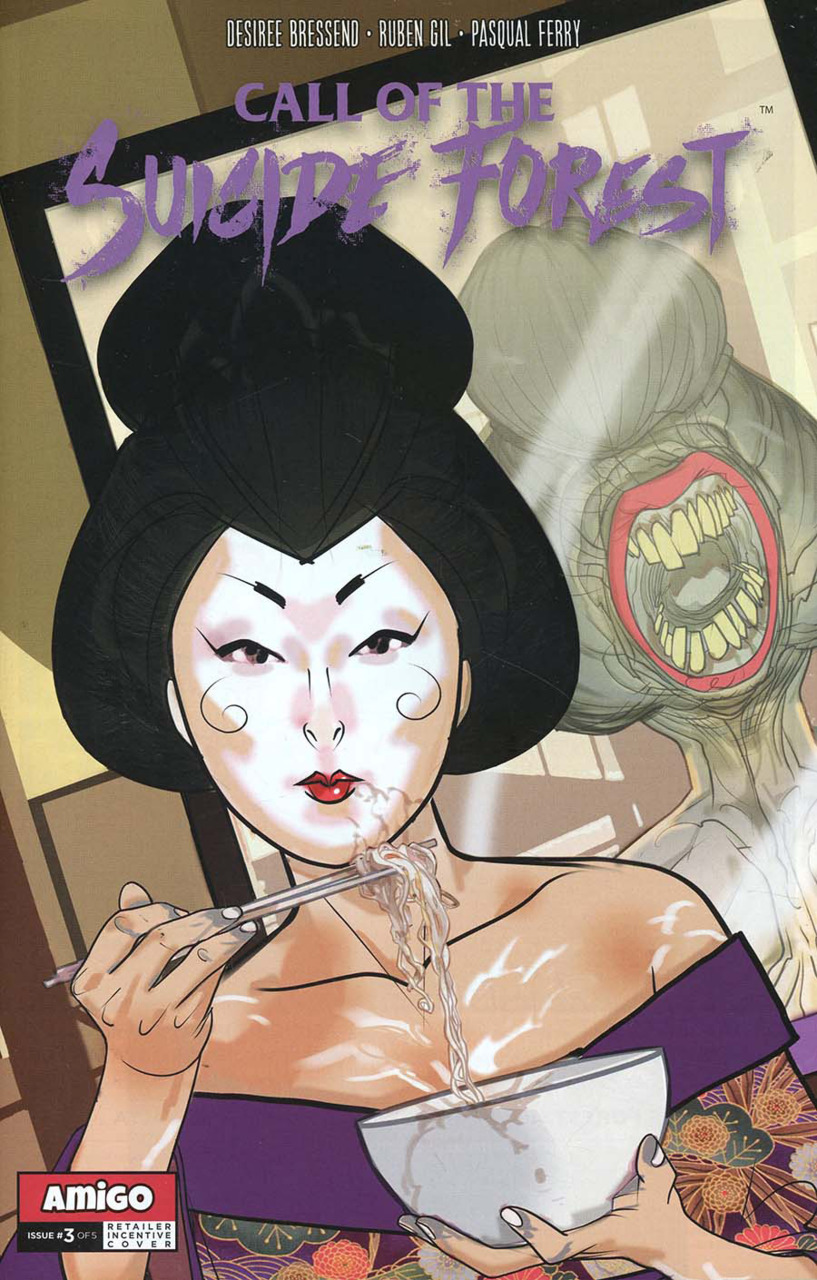
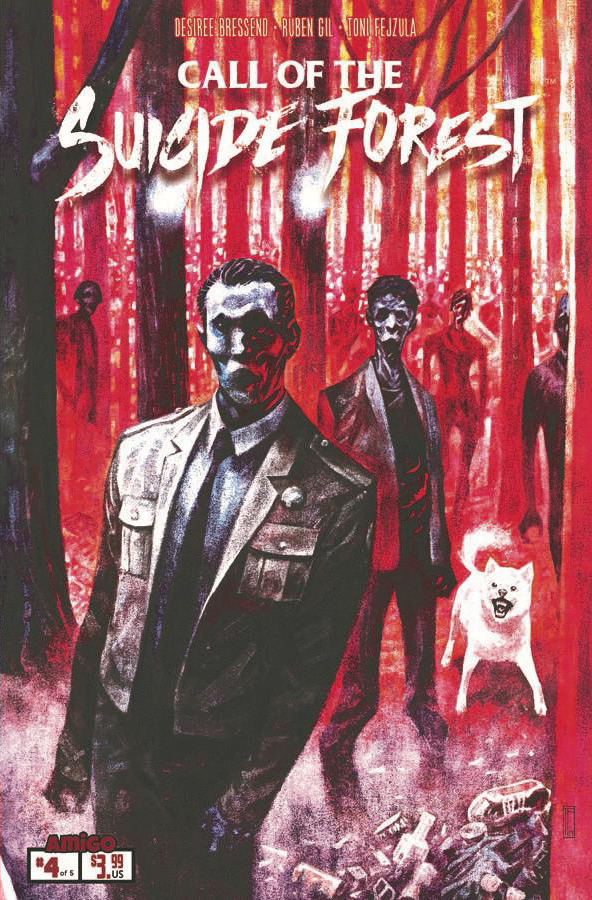
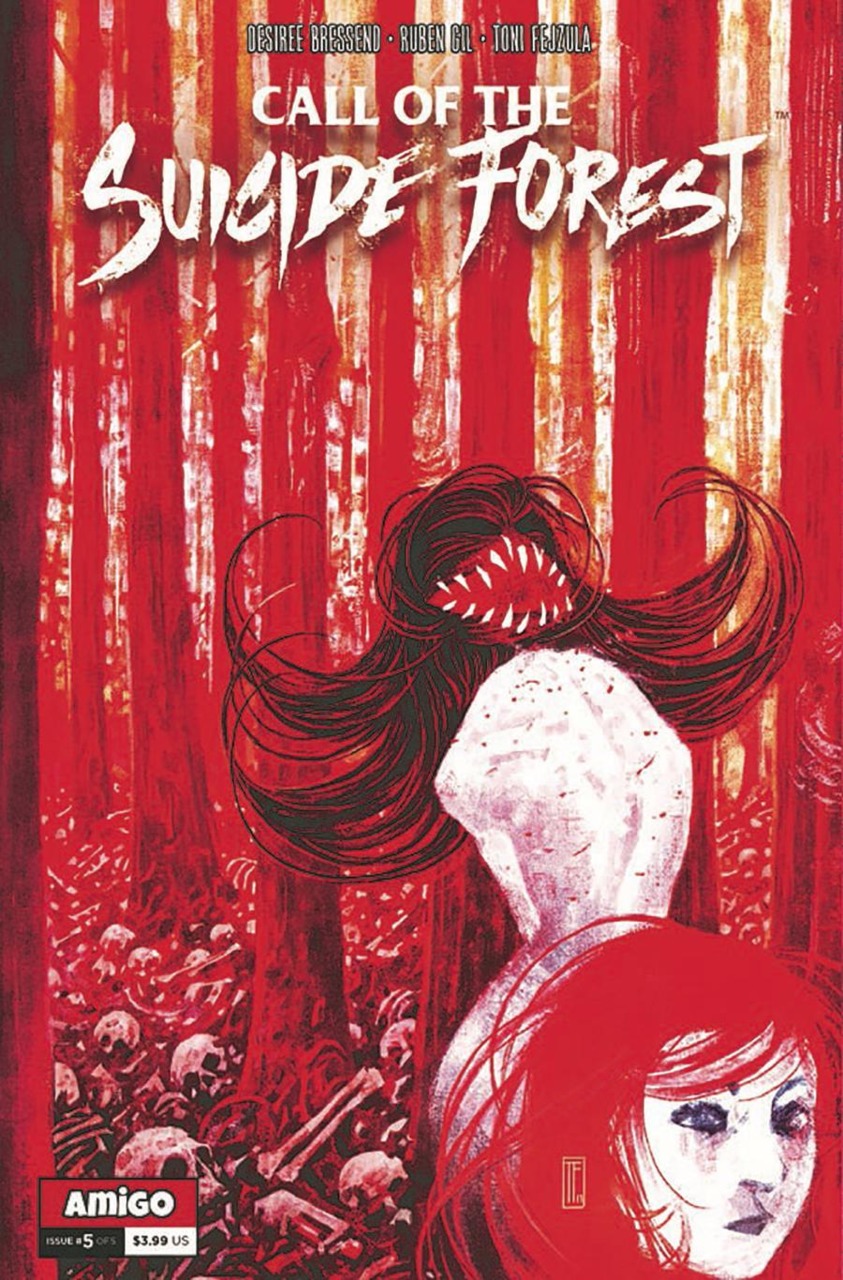
Desiree Bressend & Ruben Gil Call of the Suicide Forest
‘The sequel to the acclaimed graphic novel! Portia, an American student overwhelmed by her life, prepares to commit suicide in Japan’s notorious “suicide forest” of Aokigahara. The living and dead who make this forest their home will begin a struggle not only for Portia’s life… but also for her soul! Every issue of this miniseries features a connecting cover by Toni Fejzula!’
Eiji Otsuka & Housui Yamazaki The Kurosagi Corpse Delivery Service
‘Five college grads decide to create an company that gets involved with the supernatural as well as the last wishes of the recently deceased.’
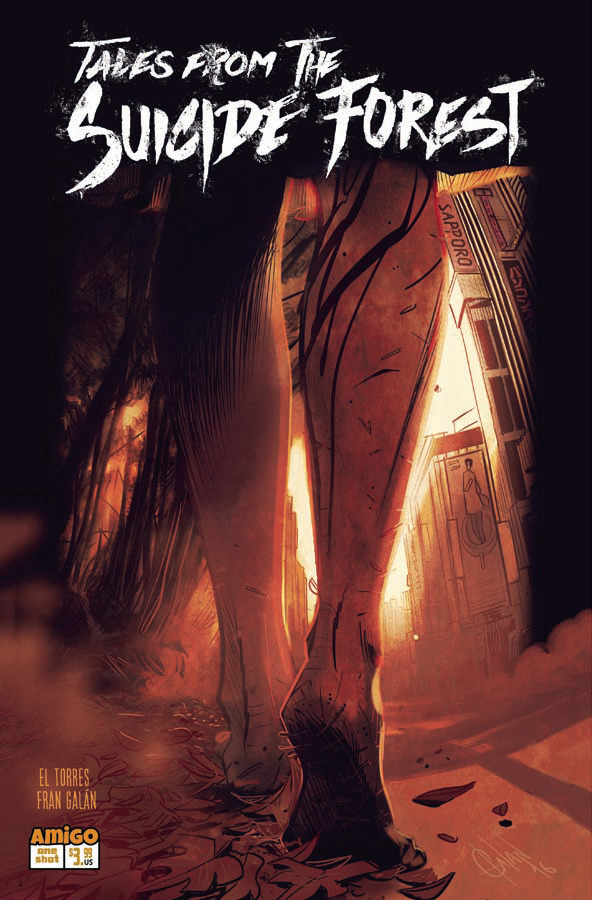
El Torres Tales From the Suicide Forest
‘The immense forest of Aokigahara lies in Japan, impressive in its beauty – and scary because of its legends and the many horror stories it harbors. This book contains two horrific ghost stories, complementing the graphic novel “The Suicide Forest”.’
Death Forest, the game (2014)
Death Forest (恐怖の森) is a horror game created by Kazz in 2014. It was made in Unity. The game takes place in the suicide forest Aokigahara. The aim of the game is that Kazuki Uchida (the player) must collect all four items to restart his Motorbike and escape the forest. All while surviving the four spirits that will try to kill you and while conserving your flashlight’s battery power.
The Player operates a flashlight, aiding in lightening up the dark forest. The player is constantly chased by Yoshie and the other monsters, so there is never a moment where they can be safe. The flashlight operates on batteries, which are limited and can run out, so it is required to collect them. It is also required to collect the four Items so that the player can operate their motorbike, driving it out of the forest and playing the credits.
Movies
Trail: Forest of the Living Dead (2011)
Trailer: Death Forest (2014)
Trailer: The Forest (2015)
Trailer: THE SEA OF TREES (2016)
Trailer: Suicide Forest Village (2020) —-
*
p.s. Hey. ** Dominik, Hi!!! There you are! Mm, we’ll either do Parc Asterix this week before we leave for London or immediately upon our return since it happily lasts until Nov. 8. Yep, religion’s inroads into people’s standards of acceptability is scary. The laziness of most people’s imaginations is a curse. I don’t know ‘The Make-Believe’, but I’ll see what it is. I like the title. Love wishing he had a donkey so he could pin a tail on it, G. ** Adem Berbic, Well, yeah, you’re right about the horror label, but, you know, it’s always nice to be wanted. Where exactly are you going on the East Coast again? There are parks, and I can steer you if you like. But, yes, Dollywood is quite far from the Coast. ‘Anatomy of Hell’, right, I wish I remembered it better. Your report is a nudge. Zac saw the ‘in the dark’ Autechre show last week. He said the first 20 or so minutes were great and then it got sort of predictable for a long time and then the last 20 or so minutes were great. Does that jibe? The protests were healthy but barely violent. Not a peep in my neighborhood. All the boarded ups, closed stores around here really jumped the gun. ** Steve Erickson, The protests in Paris were very well attended and largely ‘well behaved’. Less so in other parts of France. Fuck knows where it will lead. Right now the far-right seem to be successfully exploiting it for their bullshit evil cause, so that’s scary. The government itself says they’ll make changes, but we’ll see. ** Shea, Hey! Thanks so much on Darbz’s and my behalf. I’m waiting for the long ‘The Devils’ to get here with veritable bated breath. I did see the ‘Resident Evil’ movie. I kind of loved it. As I’ve said, it was like watching someone play the game, which was so satisfying. I love the game. I’ve played most of them. ‘#4’ and ‘Village’ are my favorites, I think. Oh, gosh, I don’t remember the PC game you’re referring to off the top of my head. I’ll have to have a think. Sorry. Nice to talk with you. What else is up? ** Carsten, Oh, I can’t promise there won’t be a Xmas sweater upcoming, but I can promise no Mariah Carey. Unless someone makes a guest-post with it on board. So nice about the blurb. Getting your work understood and appreciated by someone you respect is the absolute best. No on the pushback, but the people we’ve worked with are far from standard fare producers. Sometimes they assume the films are going to be shorter than they end up being, but that’s all. The protest in Paris was very well attended and mostly stuck to the plan apart from a little battle at the end thanks no thanks to the usual encroaching trouble makers, essentially far right guys wearing black hoods. ** _Black_Acrylic, I remember the ‘Omen’ films being pretty fun, or at least the first one, which is the only one I remember, which may or may not say something. ** HaRpEr //, I’m fully on board with Xmas too. But I am happy to live far away enough from my family not to have to suffer through a Xmas dinner. Although that also means I miss all the gift giving and taking and festive trees and present unwrapping, which is mighty sad. So awesome that the Mayer took hold so fully. ** laura w, Hi. Oh, right, the fear of bodily leftovers. Strange, no? Must be a religion based fear or whatever it is. Based on my minimal amount of keeping up, I think I’m pro Brewers too. Oh, god, ‘The Lighthouse’. That is my most hated film of recent years. It’s kind of the epitome of everything I despise about trendy current movies. The script is like a bad Sam Shepherd play written by some no talent taking a Screenplay Writing 101 college course. It’s completely uninterestingly directed and smothered to death with color saturation and EFX to disguise that. I practically had to stop myself from ripping the movie screen down while I was watching it. Sorry, that film is triggering to me, as they say. Haha. My weekend was not scary, I think, at all. No, I don’t remember even experiencing the slightest shudder. Was yours more season appropriate? ** Uday, Thanks for the good words to Darbz, pal. ** Okay. We’re in the final Halloween countdown. See you tomorrow.
Ahh, the Autumn Equinox has begun! My favorite time of the year, and better yet, the most spookiest and enchanting month of them all: October! The smell of blood, pumpkin guts, and haunted house fog machines linger in the air! The presence of ghost swirl around me. What makes this month even better is the release of Clive Barker’s Revival coming out TOMORROW.
I am so excited for this.
Below I have curated a selection of grimly macabre things to accompany you this Halloween. It’s all cool spooky shit I picked out, and Ive been wanting to do annual October posts pertaining to the three themes. For this first post, the themes I chose were VAMPIRES, BLOOD, and SKIN.
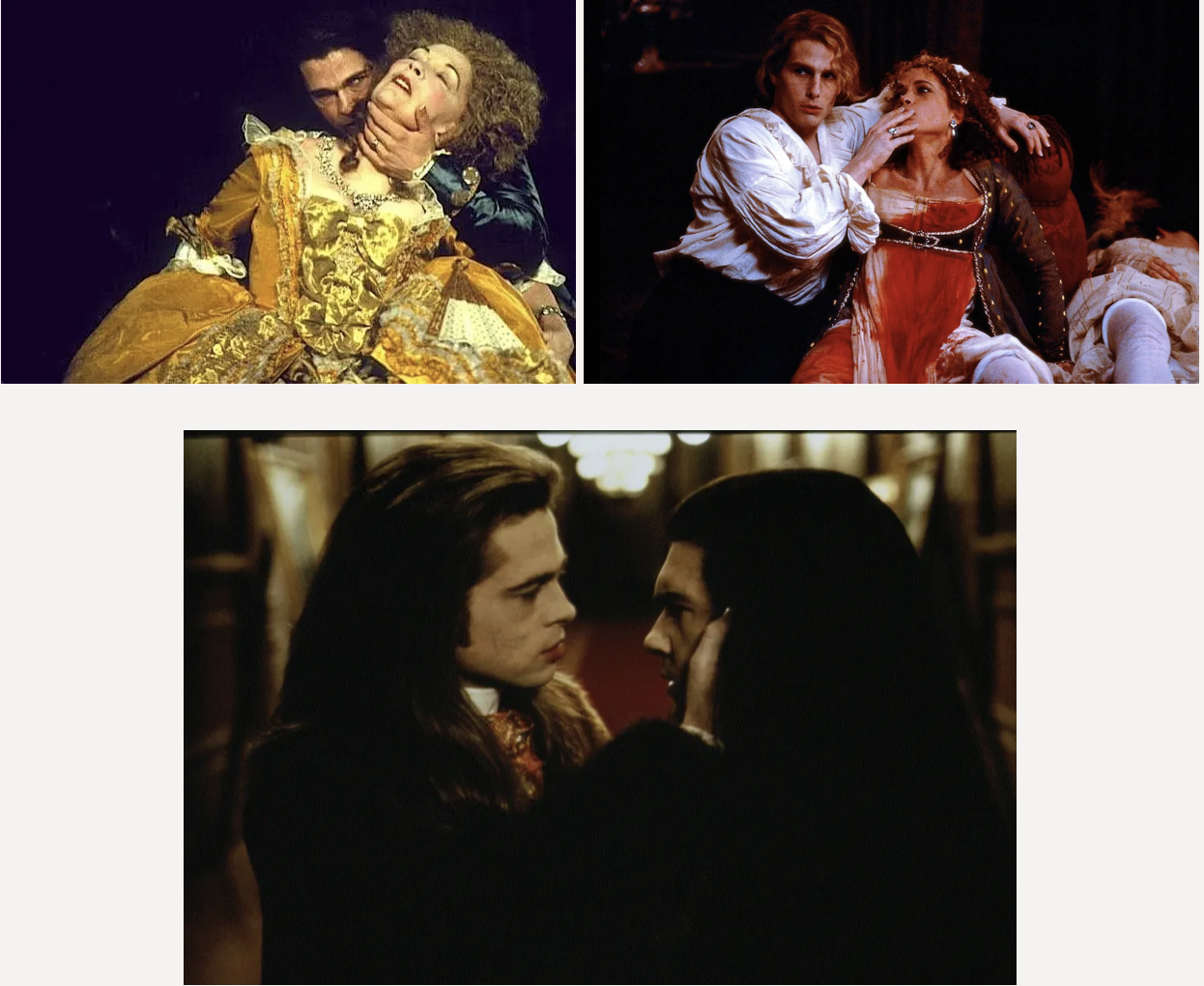
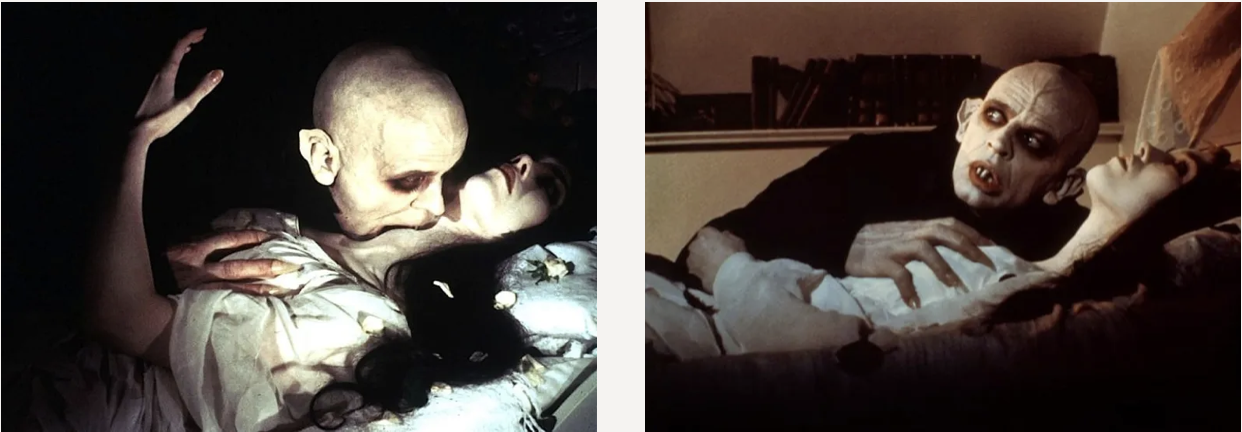
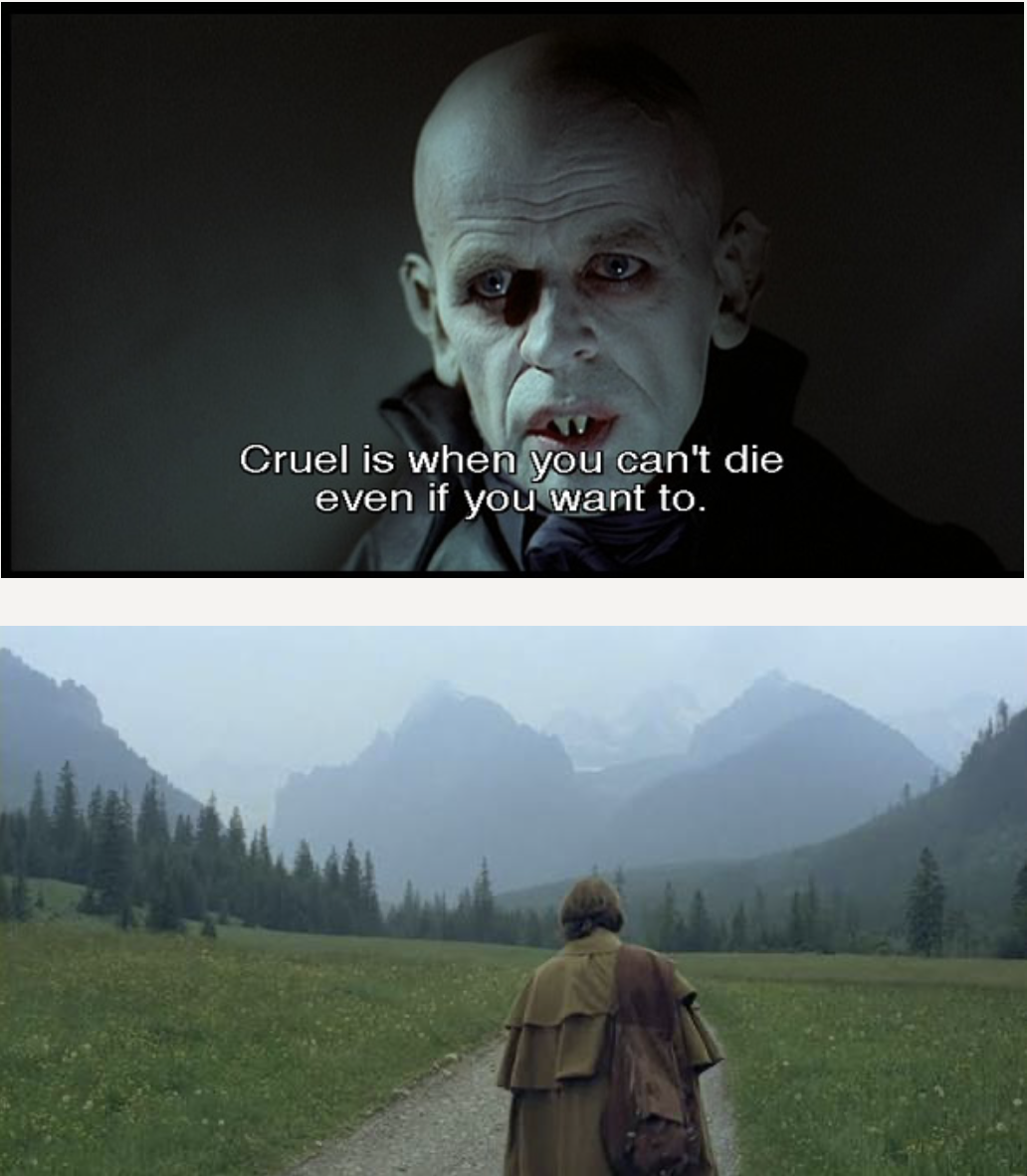
Nosferatu: The Vampyre (1979) Directed by Werner Herzog
A classic Gothic horror and art film with beautiful cinematography that captures the breathtaking Romanian landscape along with the haunting carpathathian mountains where lies the Bran castle. This is one of my favorite Nosferatu versions that I chose to share in this post
.
꒷꒦꒷꒦꒷꒦꒷꒦꒷꒦꒷꒦꒷꒦꒷꒦꒷꒦꒷꒦꒷꒦꒷꒦꒷꒦꒷꒦꒷꒦꒷꒦꒷
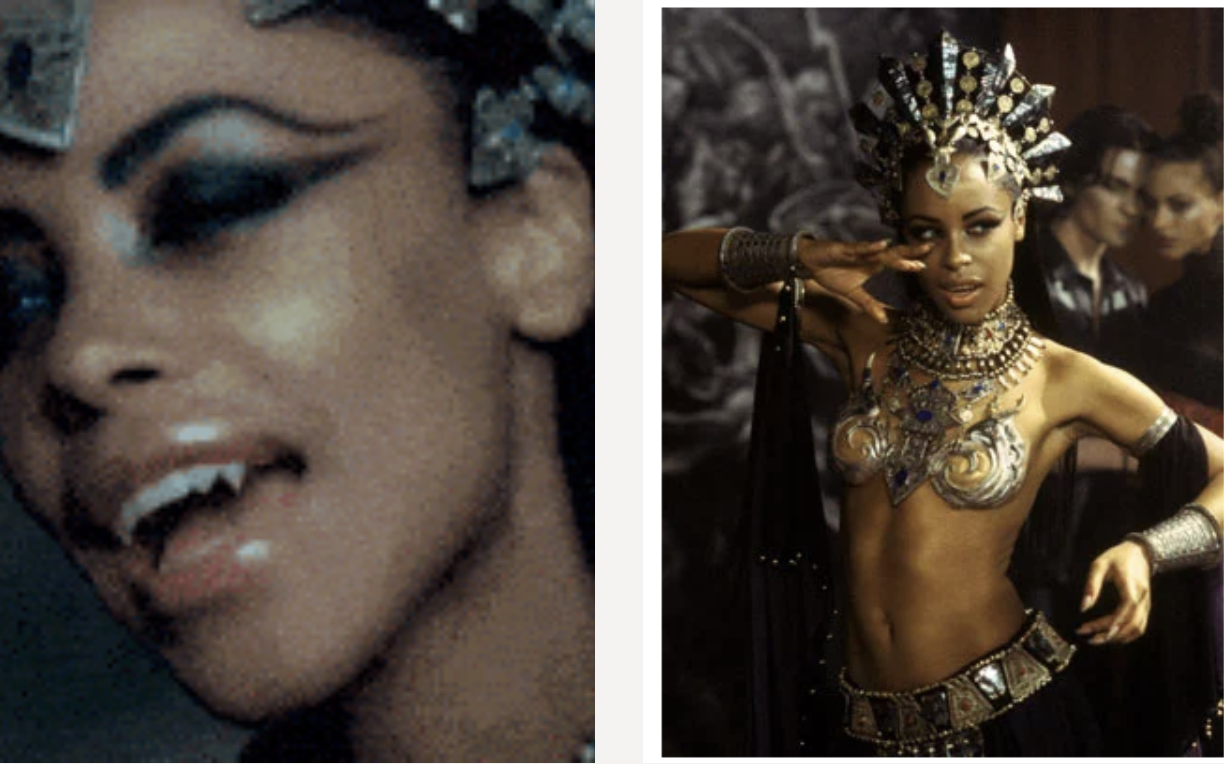
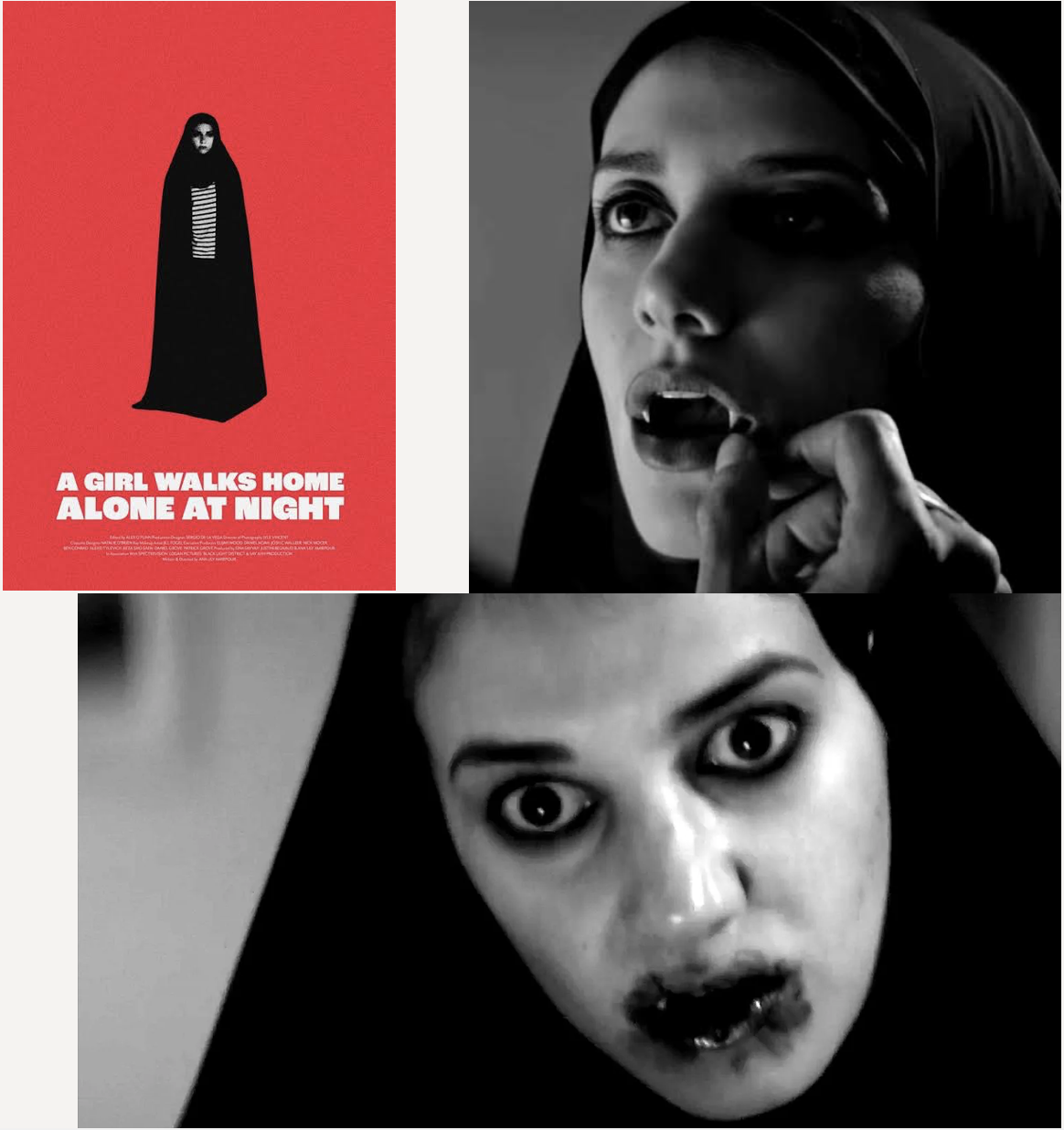
A Girl Walks Home Alone At Night (2014) Directed by Ana Lily Amipor
꒷꒦꒷꒦꒷꒦꒷꒷꒦꒷꒦꒷꒦꒷꒦꒷꒦꒷꒦꒷꒦꒷꒦꒷꒦꒷꒷꒦꒷꒦꒷꒦꒷
Promoted as the first Iranian Vampire movie, this movie takes place in an Iranian Ghost town called “Bad City” although the majority of the movie was shot in California. Despite the foreboding name of this movie, the movie is about a lonesome vampire who takes on the form of a woman who preys the night looking for men to attack. Ana states:
“A vampire is many things; a serial killer, a romantic, a historian, a drug addict—they’re sortve all these things in one“
꒷꒦꒷꒦꒷꒦꒷꒦꒷꒦꒷꒷꒦꒷꒦꒷꒦꒷꒦꒷꒦꒷꒷꒦꒷꒦꒷꒦꒷꒦꒷꒦꒷
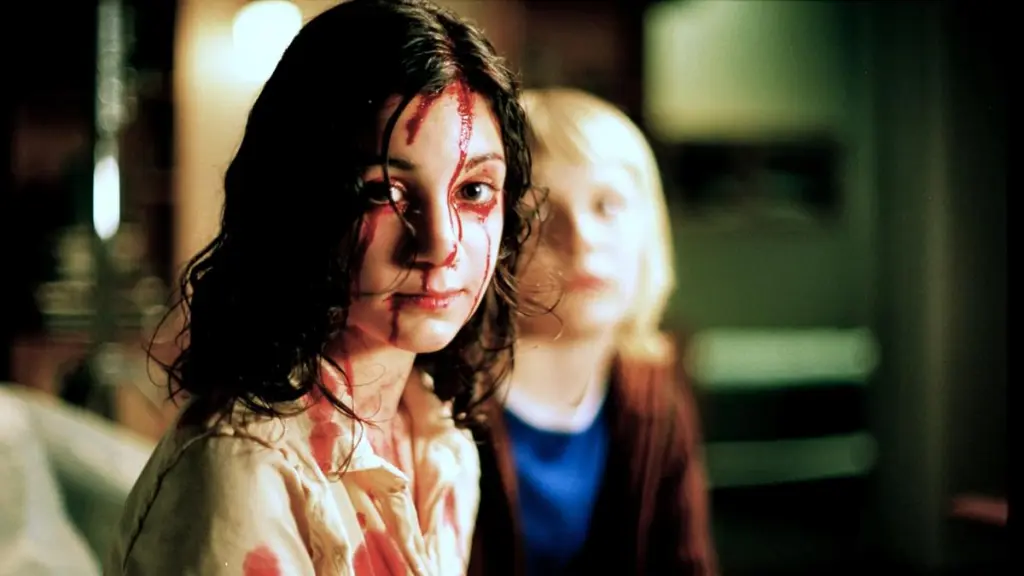
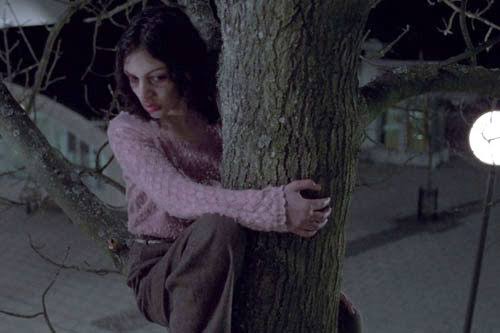
Let the Right One In (2008) Directed by Tomas Alfredson
꒷꒦꒷꒦꒷꒦꒷꒦꒷꒦꒷꒦꒷꒦꒷꒦꒷꒦꒷꒦꒷꒦꒷꒦꒷꒦꒷꒦꒷꒦꒷꒦꒷꒦꒷꒦꒷꒦꒷꒦꒷꒦꒷
A classic bleak Swedish Vampire movie. The movie follows 11 year old Oskar, a bullied boy who encounters a strange girl one late night in the park during the 1980’s. If you want more of a slow burn European kind of vampire movie without the cheekiness of more camper films this is a definite watch.
꒷꒦꒷꒦꒷꒦꒷꒦꒷꒦꒷꒦꒷꒦꒷꒦꒷꒦꒷꒦꒷꒦꒷꒦꒷꒦꒷꒦꒷꒦꒷꒦꒷꒦꒷꒦꒷꒦꒷꒦꒷꒦꒷
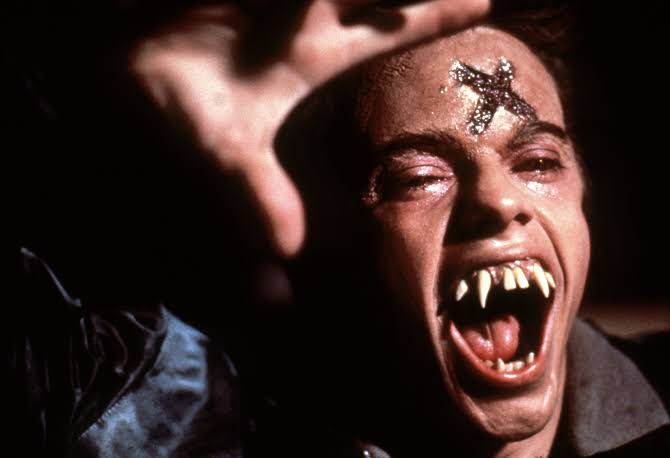
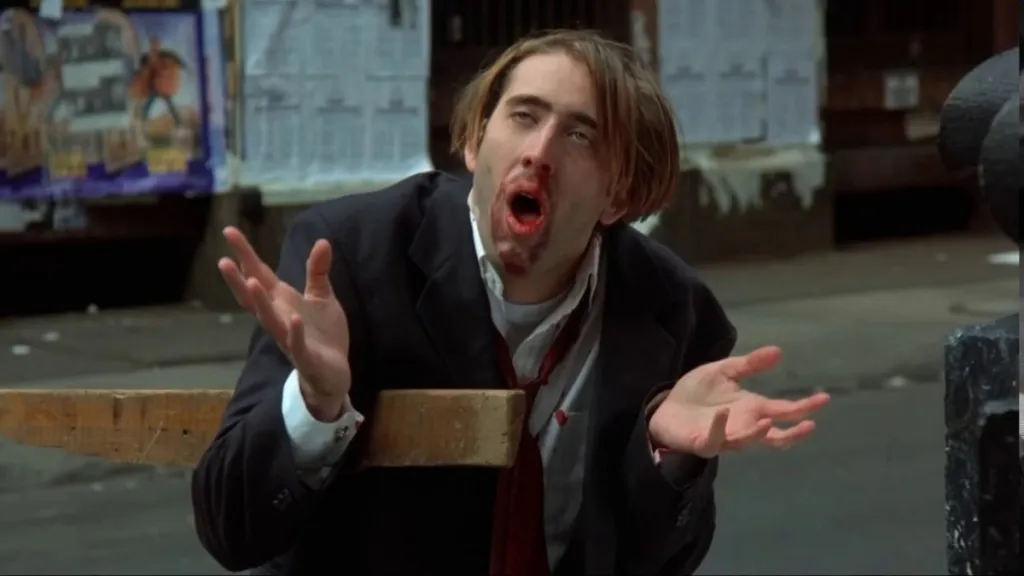
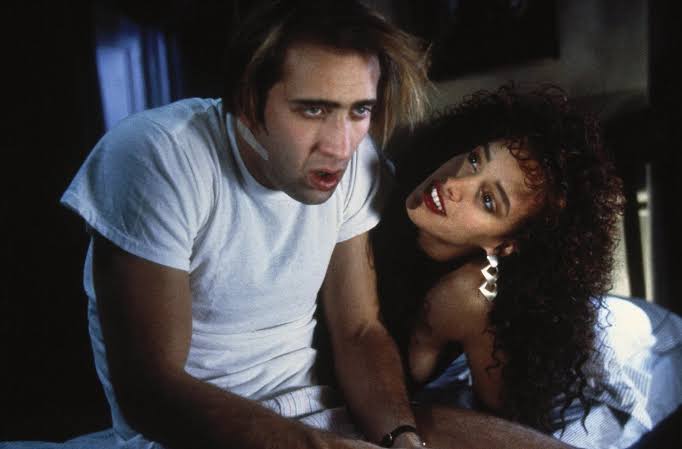
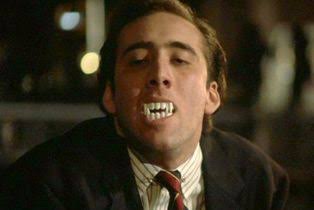
Vampires Kiss (1993) Directed by Robert Bierman
꒦꒷꒦꒷꒦꒷꒦꒷꒦꒷꒦꒷꒦꒷꒦꒷꒦꒷꒦꒷꒦꒷꒦꒷꒦꒷꒦꒷꒦꒷꒦꒷꒦꒷꒦꒷꒦꒷꒦꒷꒦꒷꒦
Vampires Kiss is a black comedy about a narcissistic NY business man who falls in love with a vampire, and starts to believe he’s turning into one. I first watched Vampires Kiss as a teenager and was amused by Nicholas Cages’s petulant and erratic performance. This is a quintessential movie to watch if you love a good tongue in cheek vamp flick not to take seriously, accompanied with the unhinged shenanigans of Nicholas Cage. Seriously, from the alphabetic tantrums in his therapist’s office about misfiled papers, to the poor secretary Cage relentlessly terrorizes, it’s pretty unhinged. They even got an improved scene of Cage wearing fake plastic vampire teeth terrorizing real people on the streets of NY as well as tormenting pigeons. What more could you ask?
꒷꒦꒷꒦꒷꒦꒷꒦꒷꒦꒷꒦꒷꒦꒷꒦꒷꒦꒷꒦꒷꒦꒷꒦꒷꒦꒷꒦꒷꒦꒷꒦꒷꒦꒷꒦꒷꒦꒷꒦꒷꒦꒷꒦꒷꒦꒷
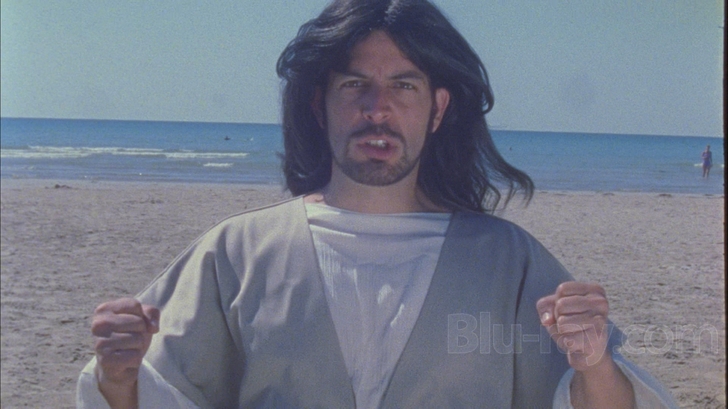
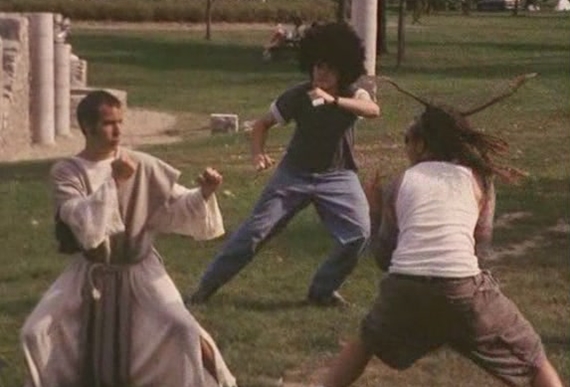
Jesus Christ Vampire Hunter (2001) Directed by Lee Demarbre
This picture makes me laugh for some reason
꒷꒦꒷꒦꒷꒦꒷꒦꒷꒦꒷꒦꒷꒦꒷꒦꒷꒦꒷꒦꒷꒦꒷꒦꒷꒦꒷꒦꒷꒦꒷꒦꒷꒦꒷꒦꒷꒦꒷꒦꒷꒦꒷
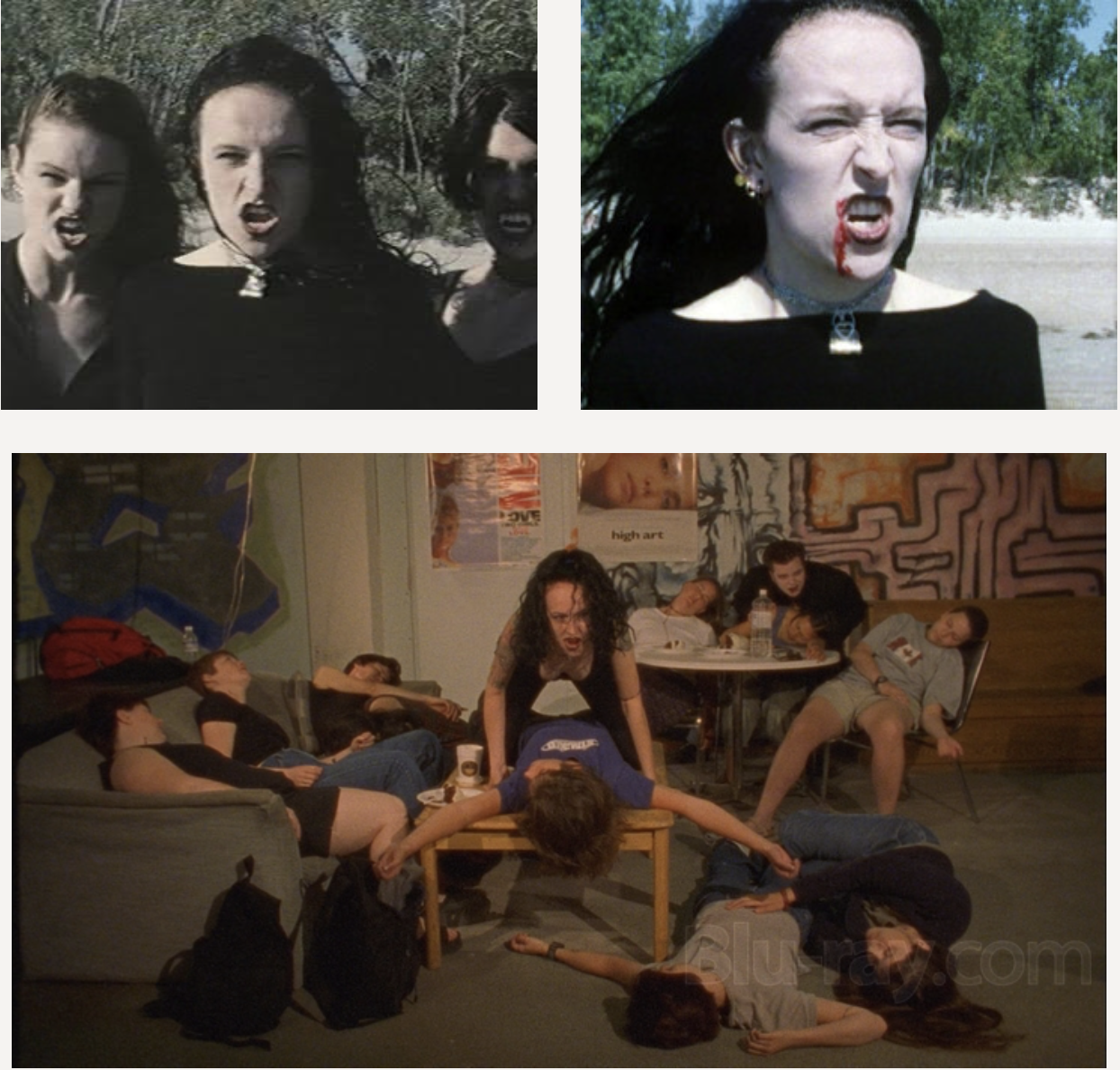
I came across this movie while scrolling through Tubi. How could I ignore a movie with such an amusing name? One of those under budget film that could only equate to either an amusing B rated movie to watch while stoned or a terribly obnoxious flick with flavorless comedy and ingenuous sex scenes. Fortunately, the movie is knowingly aware of its cheesy and campy content, or so it seemed to me, stoned at 9pm. The movie takes place in modern day Ottawa, where Jesus fights to save the lesbians from being attacked by a group of vampires alongside the Mexican wrestler and superhero El Santo.
I will say, I was not expecting this movie to have such a good soundtrack. From heavy throbbing techno to a porno-like groovy drum beat while Jesus attacks a bunch of goths on the beach. A plus, how can you ignore the dubbed over voices? A classic staple of low budget cinema. It’s good to watch while stoned and eating Halloween candy with friends.
꒷꒦꒷꒦꒷꒦꒷꒦꒷꒦꒷꒦꒷꒦꒷꒦꒷꒦꒷꒦꒷꒦꒷꒦꒷꒦꒷꒦꒷꒦꒷꒦꒷꒦꒷꒦꒷꒦꒷꒦꒷꒦꒷
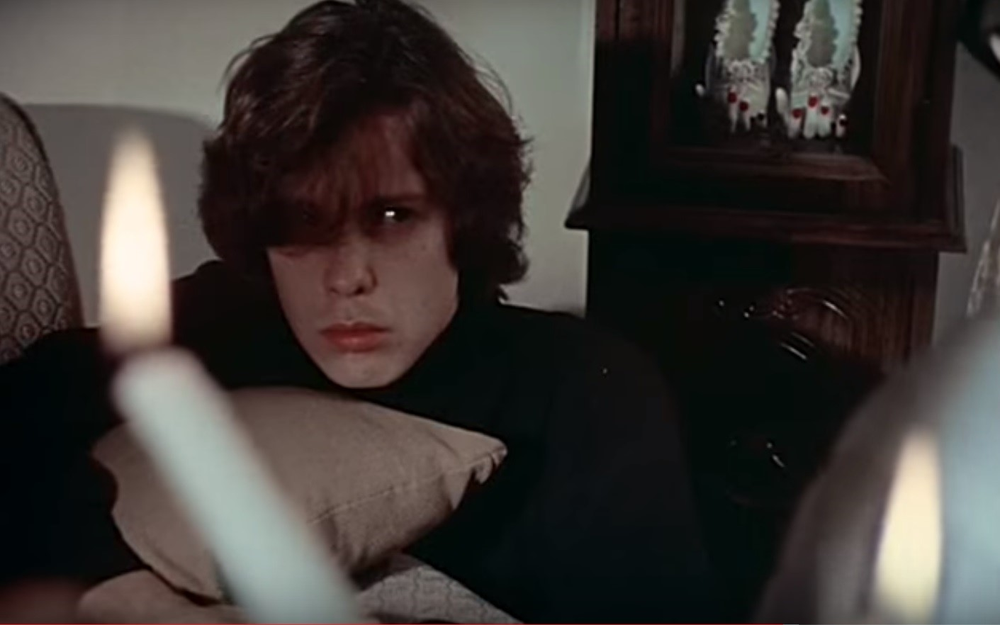
Martin(1977) Directed by George A Romero
꒷꒦꒷꒦꒷꒦꒷꒦꒷꒦꒷꒦꒷꒦꒷꒦꒷꒦꒷꒦꒷꒦꒷꒦꒷꒦꒷꒦꒷꒦꒷꒦꒷꒦꒷꒦꒷꒦꒷꒦꒷꒦꒷꒷꒦꒷꒦
Romero’s psychological take on a modern Vampire. I put this movie at my top of the list in terms of 70s gritty vampiric cinema without the overly raunchy display of sex (although I love a good perverse vampire flick *cough* Vampires ecstasy.) This film follows Martin, a reserved young man who believes himself to be a vampire, as he moves to Pennsylvania to live with his relatives. This movie depicts my Favorite archetype of the conventionally attractive protagonist who also just happens to fall outside the lines of a socially adjusted citizen in his maliciousness.
꒷꒦꒷꒦꒷꒦꒷꒦꒷꒦꒷꒷꒦꒷꒦꒷꒦꒷꒦꒷꒦꒷꒷꒦꒷꒦꒷꒷꒦꒷꒦꒷꒦꒷꒦꒷꒦꒷꒷꒦꒷꒦꒷꒦꒷꒦
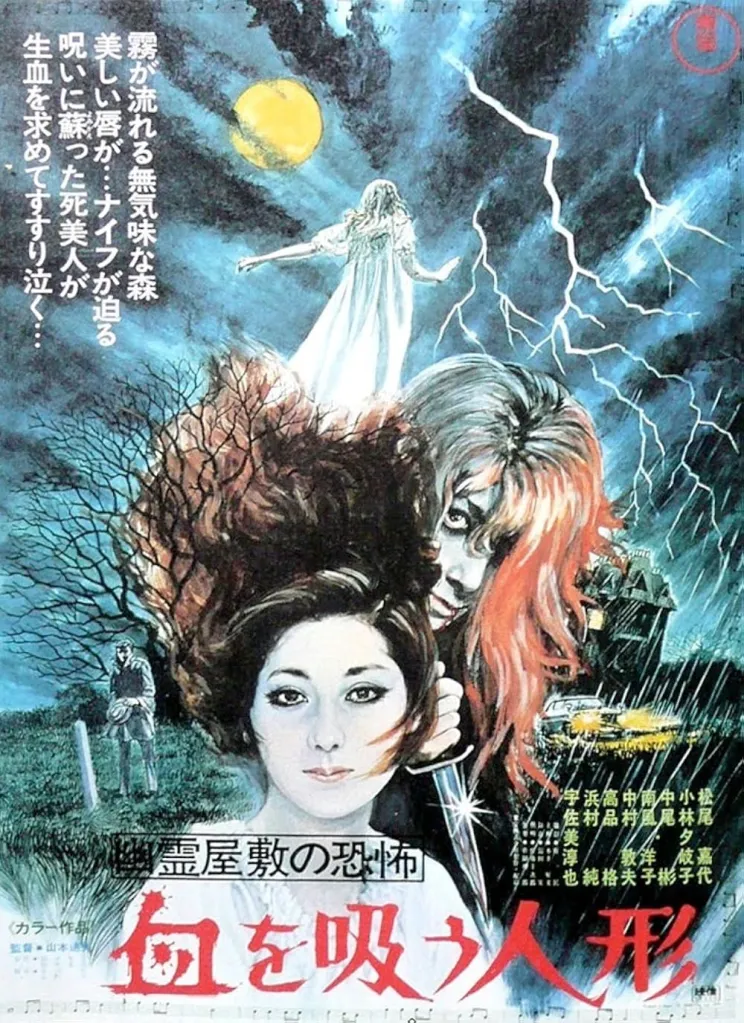
Bloodthirsty Trilogy (1970-1974) Directed by Michio Yamamoto
꒷꒦꒷꒦꒷꒦꒷꒦꒷꒦꒷꒷꒦꒷꒦꒷꒦꒷꒦꒷꒦꒷꒷꒦꒷꒦꒷꒦꒷꒦꒷꒦꒷꒷꒦꒷꒦꒷꒦꒷꒦꒷꒦꒷
Ive yet to see this movie although it is on my list this month and I recommend you check it out as it looks cool.
꒷꒦꒷꒦꒷꒦꒷꒦꒷꒦꒷꒷꒦꒷꒦꒷꒦꒷꒦꒷꒦꒷꒷꒦꒷꒦꒷꒦꒷꒦꒷꒦꒷
True Crime Vampires.
꒷꒦꒷꒦꒷꒦꒷꒦꒷꒦꒷꒷꒦꒷꒦꒷꒦꒷꒦꒷꒦꒷꒷꒦꒷꒦꒷꒦꒷꒦꒷꒦꒷
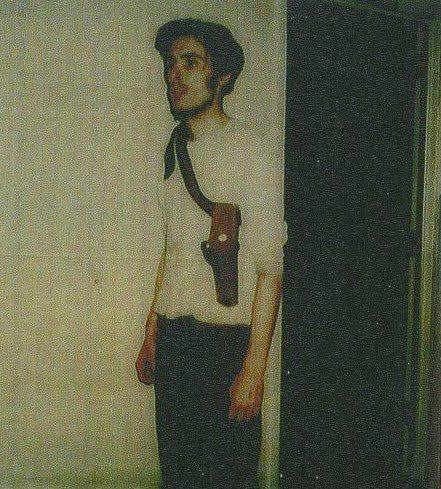
Richard Chase
Richard Chase was an American serial killer from California, nicknamed the “Vampire of Sacramento” due to his depraved crimes that involved consuming the organs and blood of his victims.
Chase was a paranoid Schizophrenic and had delusions related to blood consumption. By the early 70s, Chase’s mental health would begin to deteriorate. As his delusions and hypochondria increased, Richard Chase would claim to doctors that his cranial bone had separated, and that the bones in his head were moving around. In 1979, Richard Chase would be found in a field covered in cow’s blood. Financially assisted by his parents, Richard Chase would move by himself into an apartment on Cannon St. With the freedom of his own abode, Chase would go on to indulge in his most sanguinarian acts. During this time, Richard would start to consume the blood of rabbits, in belief that it would replenish his own impure blood. Richard would eat the rabbits entrails, and liquify their intestines and blood mixed with cola in a blender. On April 26, Richard Chase was hospitalized for injecting rabbit’s blood into his veins.
Teresa Wallace
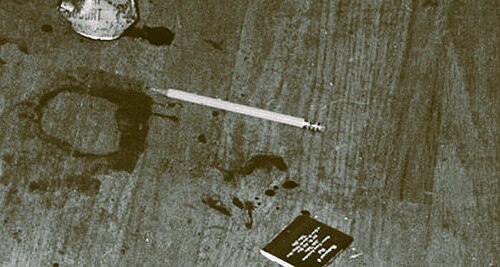
in 1978, Richard would break into the home of 22-year old Teresa Wallace and shoot her as she was taking the garbage out. Richard would then proceed to drag her dead body inside and savagely mutilate her. He would drag a knife down her sternum and eviscerate her organs, pulling out her intestines and spleen. He’d also rub his body in Teresa’s blood, and use an empty yogurt cup pulled from the trash can to consume it. Teresa’s husband would be the one to discover her body, and upon seeing her corpse would run out the house screaming. Teresa was pregnant at the time.
Crime scene photos of blood rings following the murder of Teresa at the hands of Chase.
Miroth Family
On the morning of January 27, Richard Chase would commit another crime. Breaking into the home of Evelyn Mirth, Richard would kill her and her three boys. Just as he did with Teresa, Richard would proceed to mutilate Evelyn’s body and engage in necrophilia and cannablisim in much the same gruesome way as with his last victim. Something I add is the savagely petulant way Richard mutilated their body. There was something so viciously childish in how he sexually harmed these woman.
The most vampiric element of Chase’s murders, was the fact that if a door was left unopened, Richard concluded that it was meant for him to walk into, an idea heavily related to themes in vampire folklore.
After Chase was arrested, Officers would walk into his home to discover a disturbing bloodbath. His walls and sink were covered in blood, and they found containers holding brain tissue. Chase would go on trial and plead for insanity but was denied and sentenced to death. In 1980, Richard Chase committed suicide from an overdose of seriquin while imprisoned.
I had to do it. I have blood poising and I need blood. I thought about it forsevereal weeks and decidedI was tired of hunting and killing animals so I could drink their blood. I decided I would kill humans for their blood… -Richard Chase
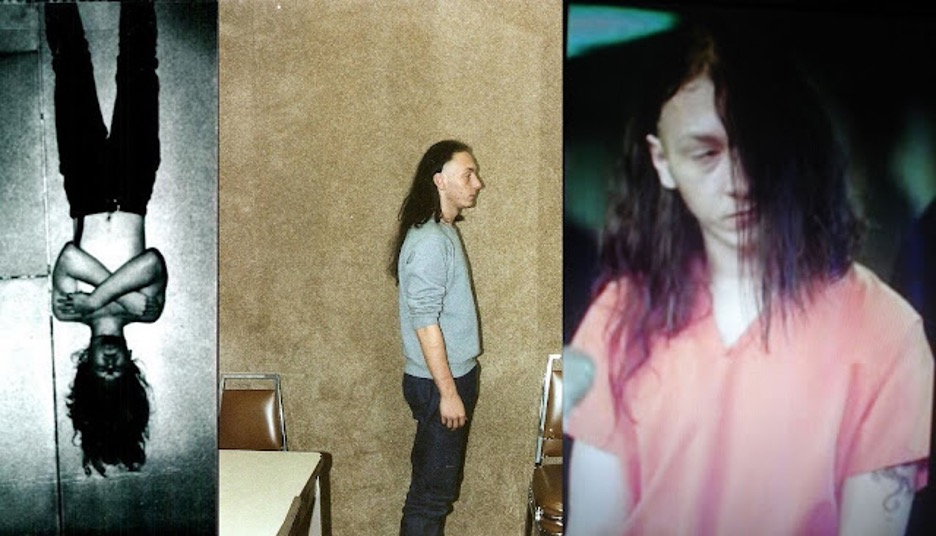
Kentucky Vampire Killer and cult leader: Rod Ferrell
Rod Ferrell, was born March 28, 198o, into a dysfunctional family. His mother was a neurotic and equally insane woman who held an incestuous and obsessive bond with Rod. She would also frequently flirt with Rod’s underage friends. Rod’s fascination with vampires started when his mother, introduced him to “Vampire: The Masquerade.” A roleplaying game about vampires. From there, the mythology of vampirism became an obsession for Rod to abuse control and be a total sociopathic freak.
During his teen years Rod Ferrell developed his own vampire persona “Vesago” and with his friends, garnered a a group of self-proclaimed vampires called the vampire clan. On thanksgiving day, 1996, Rod formed a plan to travel to Eustid Florida with the Vampire Clan and kill the parents of his friend and ex-girlfriend Jennifer Wendorfi, who she claimed she had been abused at the hands of. Somewhere the plan changed as Rod and the clan broke into the house and beat both Ruth and Richard Wendorfi to death with a crowbar. With a cigarette, Rod then burned a “V” into their skin. Rod Ferrel was the first minor to be sentenced to death in Florida although this decision was eventually overturned.
SideNote: I think its funny both these goofs did the semi-sideways pose like Oooh so intimidating.
𓆰𓆪𓆰𓆪𓆰𓆪𓆰𓆪𓆰𓆪𓆰𓆪𓆰𓆪𓆰𓆪𓆰𓆪𓆰𓆪𓆰𓆪𓆰𓆪𓆰𓆪𓆰𓆪𓆰𓆪𓆰𓆪𓆰𓆪𓆰𓆪𓆰𓆪
VAMPIRE COVENS
𓆰𓆪𓆰𓆪𓆰𓆪𓆰𓆪𓆰𓆪𓆰𓆪𓆰𓆪𓆰𓆪𓆰𓆪𓆰𓆪𓆰𓆪𓆰𓆪𓆰𓆪𓆰𓆪𓆰𓆪𓆰𓆪𓆰𓆪𓆰𓆪𓆰𓆪
TEMPLE OF THE VAMPIRE
The temple of the Vampyre was formed in 1989 by Lucas Martel as an internal branch of the Temple Of Set.
The temple forbids the act of drinking blood, instead, Vampires learn to take the life force and energy of others and become a consulate predator. The Vampire Bible describes a apocalyptic “Final Harvest of Humankind” in which undead gods take their place as a rulers of the world.
The Temple regard themselves as “The one true Vampire Religion.” Members hold an intense disdain for other vampire clans, and even psychic vampires who hold a power that much resembles the techniques taught by the temple.
“They are quite ignorant. Most of them practice being victims and eschew immortality in favor of what is usually an neogothic aesthetic that romanticizes death as something desirable.”
I realize there is no heaven as there is no hell, and I view death as the destroyer of life. Therefore I will make the most of life here and now. I am a Vampire. Bow down before me.
– The Vampire creed from the temple the vampire website
The Vampire Bible Courtesy TempleOfTheVampire.com
⫘⫘⫘⫘⫘⫘⫘⫘⫘⫘⫘⫘⫘⫘⫘⫘⫘⫘⫘⫘⫘⫘⫘⫘⫘⫘⫘⫘⫘⫘⫘
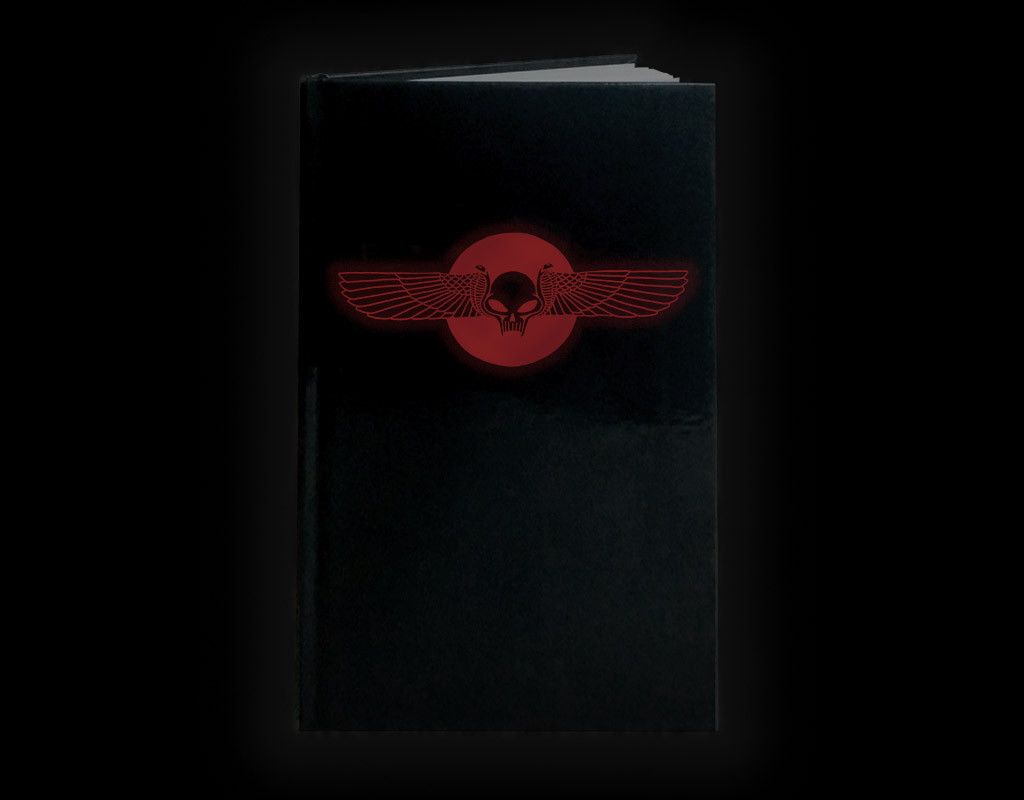
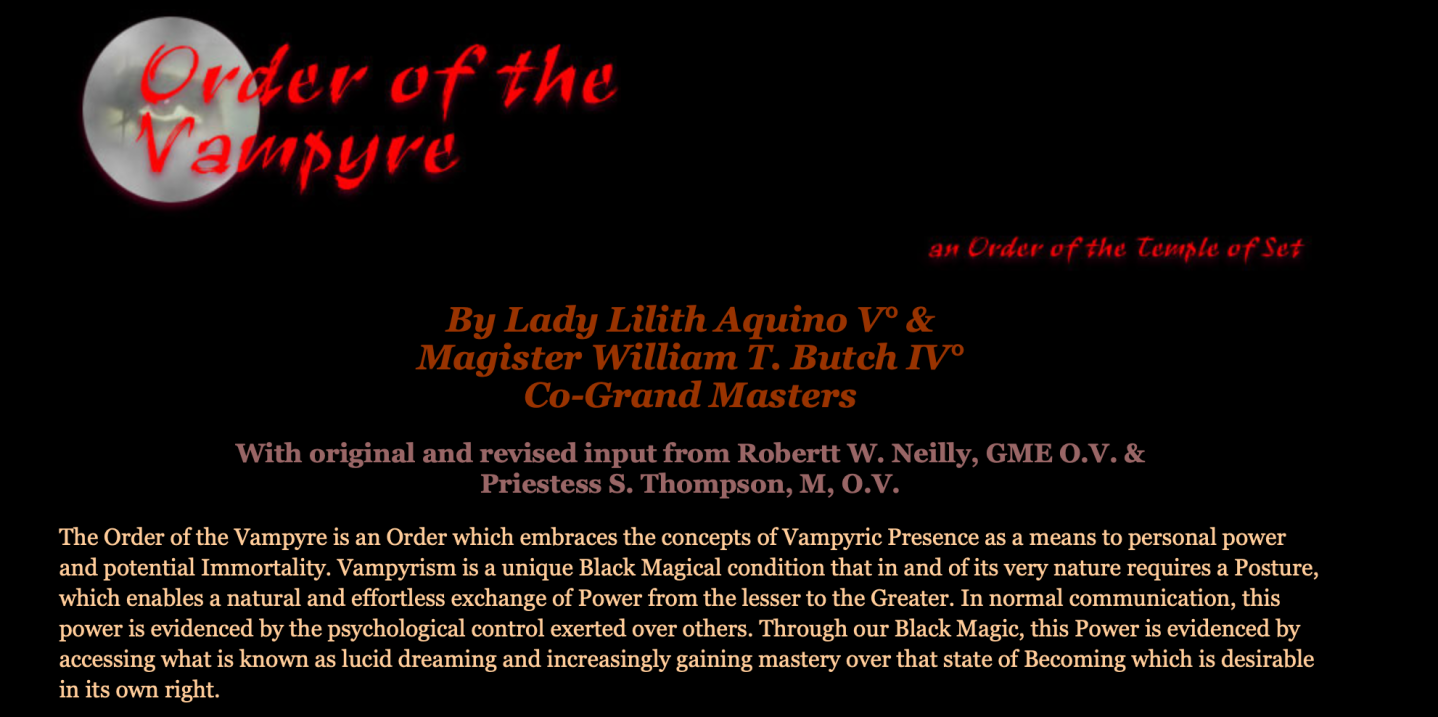
Order Of the Vampyre:
Screenshot taken from The Order of the Vampires Official home page
The Order Of the vampire was founded by Lilith Aquino and William T. Butch as a branch within The Temple Of Set. Although neither claim to have invented The Temple or The Order, Aquino says to have been assisted by Set while writting the sacred text “The Book of Coming Forth By night”
The Order of the Vampire forbids the act of drinking blood from a life force to obtain energy.
A true Vampire knows that he does not achieve the posture of effortless power through the mundane acts of physical blood drinking. In fact to pursue such acts means he does not understand his own condition, let alone vampiric black magic. -the order
A few techniques used by this clan, include learning to use the voice to influence others, and cultivating a powerful gaze. A unique innovation used by the Order was to organize members into loose networks of newsletters. The Order of The Vampire has become less active in the past years, regardless, their influence was vital towards creating the early frameworks of left-handed vampiric groups.
“Through Xeper, the Word of the AEon of Set, members of this Order will strive to bring to Life those qualities and aspects of our potential which have long been considered to be dead, or latent.”
⫘⫘⫘⫘⫘⫘⫘⫘⫘⫘⫘⫘⫘⫘⫘⫘⫘⫘⫘⫘⫘⫘⫘⫘⫘⫘⫘⫘⫘⫘⫘
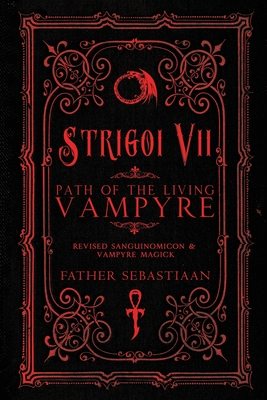
Ordo Strigoi Vii
Order Strigoi V11 was founded by a New York vampire Father Sebastian Tod Van Houten,who was somewhat of a celebrity vampire, attending interviews, going on TV, and even being interviewed by Oprah.
The word Strigoi is a Romanian term that translates to “vampire witch”. The group came out of The Sanguinairum created by Sebastian.
Picture of Sebastiaan Tod Van Houten
⫘⫘⫘⫘⫘⫘⫘⫘⫘⫘⫘⫘⫘⫘⫘⫘⫘⫘⫘⫘⫘⫘⫘⫘⫘⫘⫘⫘⫘⫘⫘
Vampire Rave
Vampire Rave homepage
A website for Vampires to express themselves and talk to other vampires online.
꒷꒦꒷꒦꒷꒦꒷꒦꒷꒦꒷꒷꒦꒷꒦꒷꒦꒷꒦꒷꒦꒷꒷꒦꒷꒦꒷꒦꒷꒦꒷꒦꒷꒷꒦꒷꒦꒷꒦꒷꒦꒷꒦꒷
𝔅𝔦𝔱𝔢 𝔐𝔢
꒷꒦꒷꒦꒷꒦꒷꒦꒷꒦꒷꒦꒷꒦꒷꒦꒷꒦꒷꒦꒷꒦꒷꒦꒷꒦꒷꒦꒷꒦꒷꒦꒷꒦꒷꒦꒷꒦꒷꒦꒷
Music that makes me think of Vampires
꒷꒦꒷꒦꒷꒦꒷꒦꒷꒦꒷꒦꒷꒦꒷꒦꒷꒦꒷꒦꒷꒦꒷꒦꒷꒦꒷꒦꒷꒦꒷꒦꒷꒦꒷꒦꒷꒦꒷꒦꒷
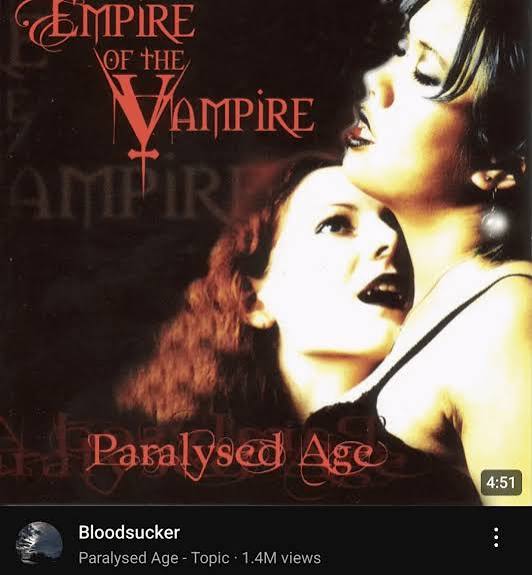
Paalysed age-Bloodsucker
Diva Destruction-Passion’s Price
Diva Destruction-Passion’s Price
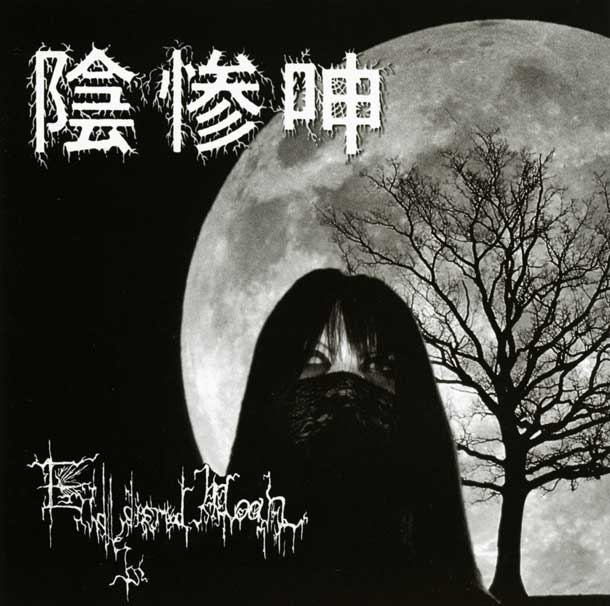
Endless Dismal Moan is a black metal band formed in Osaka, Japan. The band was lead by frontman Chaos-9, before his suicide in 2008 resulted in the bands end. During his time on Earth, Chaos-9 described suffering from hallucinations and delusions. The track “Vampire” comes from their 2nd Demo album “Chaos 11” and was released on the album 陰惨呻.
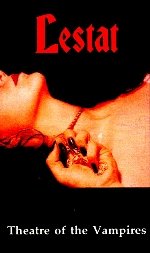
Lestat-Theatre Of the Vampires
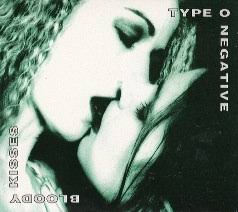
Black NO.1 – Type O Negative
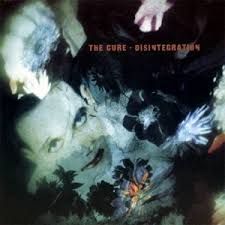
Lullaby-The Cure
Nosferatu man
Vampire Gallery
⫘⫘⫘⫘⫘⫘⫘⫘⫘⫘⫘⫘⫘⫘⫘⫘⫘⫘⫘⫘⫘⫘⫘⫘⫘⫘⫘⫘⫘⫘⫘⫘⫘⫘⫘⫘⫘⫘⫘⫘
꒷꒦꒷꒦꒷꒦꒷꒦꒷꒦꒷꒷꒦꒷꒦꒷꒦꒷꒦꒷꒦꒷꒷꒦꒷꒦꒷꒦꒷꒦꒷꒦꒷꒷
BLOOD
꒷꒦꒷꒦꒷꒦꒷꒦꒷꒦꒷꒷꒦꒷꒦꒷꒦꒷꒦꒷꒦꒷꒷꒦꒷꒦꒷꒦꒷꒦꒷꒦꒷꒷
Every body is a book of blood; Wherever we’re opened, we’re red. -Clive Barker
꒷꒦꒷꒦꒷꒦꒷꒦꒷꒦꒷꒷꒦꒷꒦꒷꒦꒷꒦꒷꒦꒷꒷꒦꒷꒦꒷꒦꒷꒦꒷꒦꒷꒷꒦꒷꒦꒷꒦꒷
Books, Movies, and Media
꒷꒦꒷꒦꒷꒦꒷꒦꒷꒦꒷꒷꒦꒷꒦꒷꒦꒷꒦꒷꒦꒷꒷꒦꒷꒦꒷꒦꒷꒦꒷꒦꒷꒷꒦꒷꒦꒷꒦꒷꒦꒷꒦꒷꒷꒦꒷
CLIVE BARKER BLOOD
꒷꒦꒷꒦꒷꒦꒷꒦꒷꒦꒷꒦꒷꒦꒷꒦꒷꒦꒷꒦꒷꒦꒷꒦꒷꒦꒷꒦꒷꒦꒷꒦꒷꒦꒷꒦꒷꒦꒷꒦꒷꒦꒷꒦꒷꒦꒷
In celebration of the Hellraiser game coming out October 8th, a.ka tommorow, I dedicate the first part of this section to my favorite media and art related to Clive Barker and his mystic flesh layered world of bloody taboo. (Not too much though, as I plan to do a deeply researched post dedicated to Barker in the future)
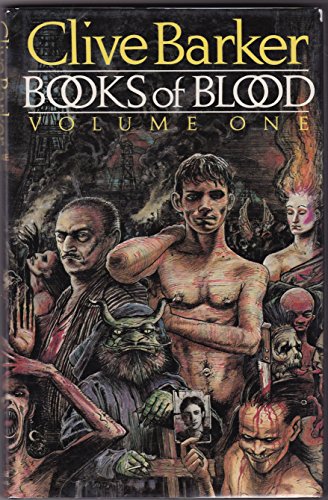
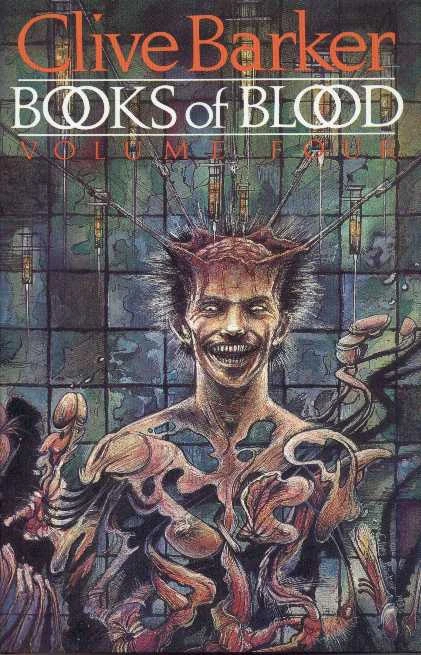
Clive Barkers Book Of Blood (1984-1985)
Book Of Blood Volume 1
Book of Blood Volume 4
꒷꒦꒷꒦꒷꒦꒷꒦꒷꒦꒷꒷꒦꒷꒦꒷꒦꒷꒦꒷꒦꒷꒷꒦꒷꒦꒷꒦꒷꒦꒷꒦꒷꒷꒦꒷꒦꒷꒦꒷꒦꒷꒦꒷꒷꒦꒷
I have yet to obtain a physical copy of this book, and have only heard the first two stories of volume 1 on audiobook. I havent looked online, mainly for my desire to fully enhance the magic effect of Barker’s world by hoping to happen upon it at one of my local book/music stores, engaging in it as if it was “a mystery.”
This is a classic and recommended starting point if you desire to engorge the esoteric world of Clive Barker’s grim and sanguine soaked writing. In total, there are 6 volumes of the Book of Blood and each volume contains about 4 or 5 stories. The first story in volume one sets up the rest of the book. It starts with a a fake paranormal investigator employed to investigate a haunted house. Eventually he is attacked by real ghosts and the narrator’s words are carved into his flesh.
꒷꒦꒷꒦꒷꒦꒷꒦꒷꒦꒷꒷꒦꒷꒦꒷꒦꒷꒦꒷꒦꒷꒷꒦꒷꒦꒷꒦꒷꒦꒷꒦꒷꒷꒦꒷꒦꒷꒦꒷꒦꒷꒦꒷꒷꒦꒷
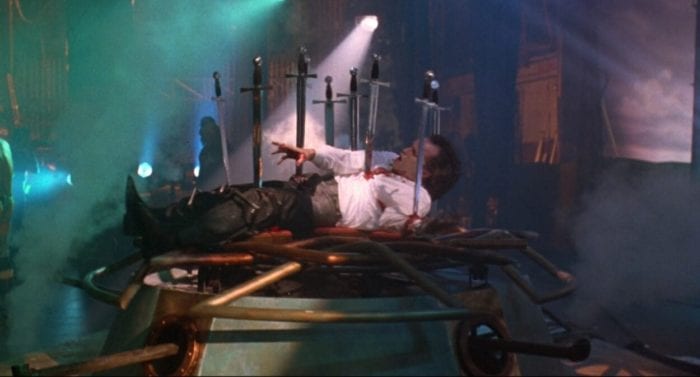
Lord of Illusions (1997)
Lord of Illusions is based on “The last Illusionist” from volume 6 of Clive Barker’s Book of Blood anthology series. The book features “Harry D’Amour” a reoccurring Occult detective in Barker’s other prose and comics.
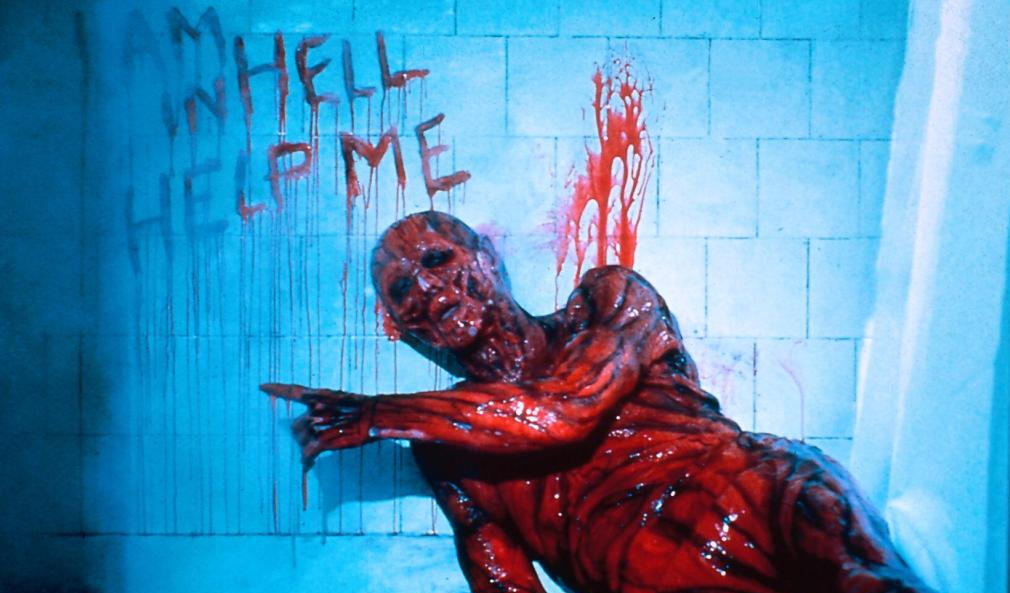
Hellraiser (1987)
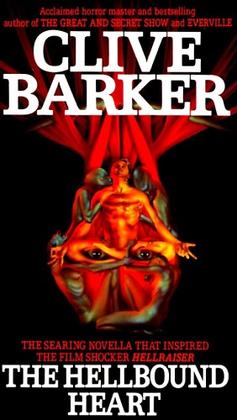
Based on Barker’s Hellbound Heart (1986)
Illustration for the book cover of Clive Barker’s Hellbound Heart
꒷꒦꒷꒦꒷꒦꒷꒦꒷꒦꒷꒷꒦꒷꒦꒷꒦꒷꒦꒷꒦꒷꒷꒦꒷꒦꒷꒦꒷꒦꒷꒦꒷꒷꒦꒷
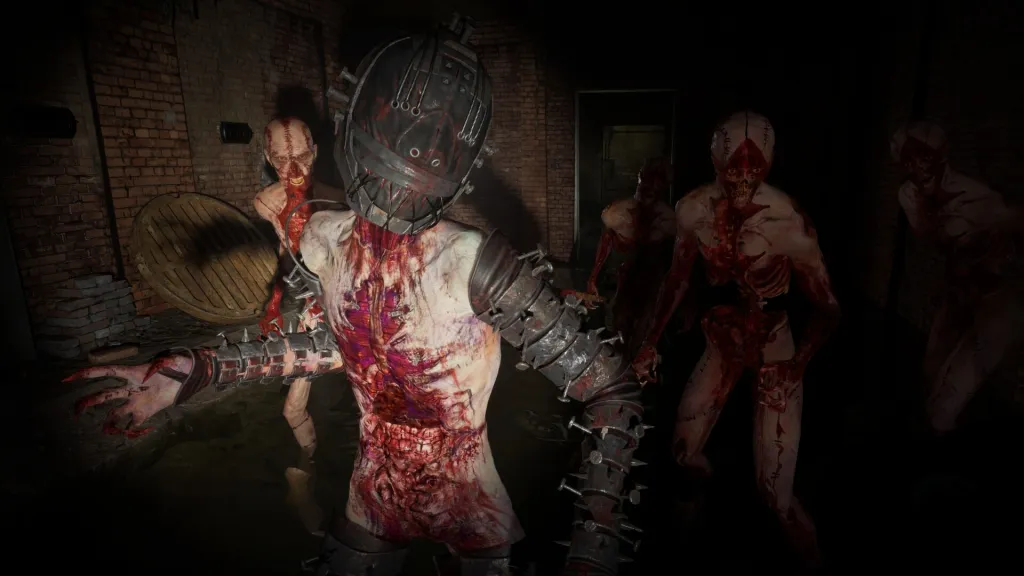
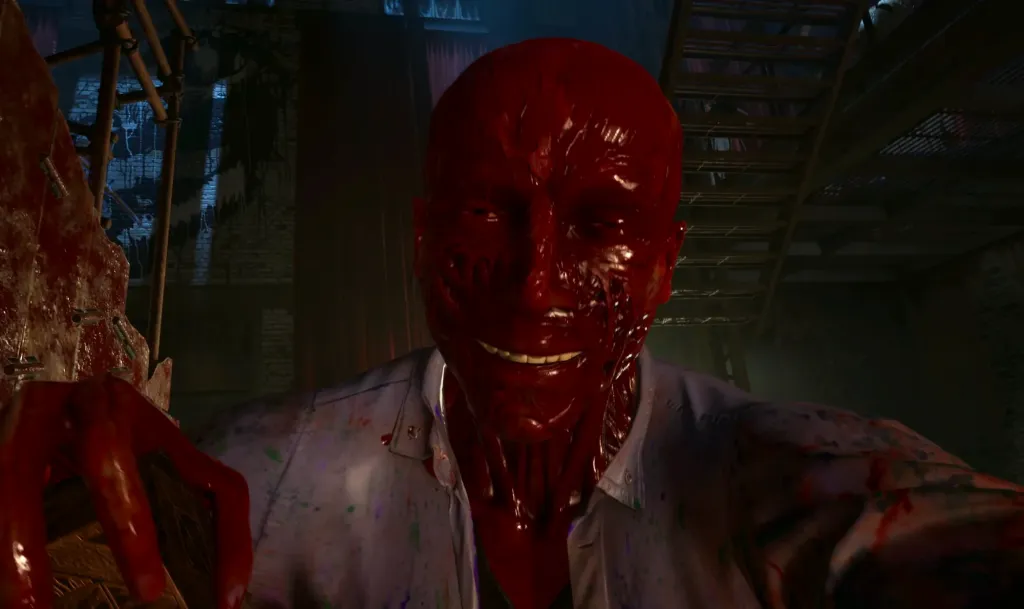
Clive Barker’s Hellraiser: Revival
Trailer for Clive Barker’s Hellraiser: Revival coming this October 8th. (no I swear this aint sponsored but Clive Barker please hmu)
think modern Resident Evil with a little P.T. – and fusing them together into what feels like a solid, cohesive survival horror-action game that seems, in part, to align with the Hellraiser series.
-IGN
꒷꒦꒷꒦꒷꒦꒷꒦꒷꒦꒷꒷꒦꒷꒦꒷꒦꒷꒦꒷꒦꒷꒦꒷꒦꒷꒦꒷꒦꒷꒦꒷꒦꒷
Evil Dead (1981) Directed by Sam Raimi
꒷꒦꒷꒦꒷꒦꒷꒦꒷꒦꒷꒦꒷꒦꒷꒦꒷꒦꒷꒦꒷꒦꒷꒦꒷꒦꒷꒦꒷꒦꒷꒦꒷꒦꒷
What else can be said about Evil Dead?
꒷꒦꒷꒦꒷꒦꒷꒦꒷꒦꒷꒦꒷꒦꒷꒦꒷꒦꒷꒦꒷꒦꒷꒦꒷꒦꒷꒦꒷꒦꒷꒦꒷
Ginger Snaps (2000) Directed by John Fewcett
꒷꒦꒷꒦꒷꒦꒷꒦꒷꒦꒷꒦꒷꒦꒷꒦꒷꒦꒷꒦꒷꒦꒷꒦꒷꒦꒷꒦꒷꒦꒷꒦꒷꒦꒷꒦꒷꒦꒷꒦꒷
Two Teenage outcast sisters are thrown into the dark world of lycanthropy when the oldest sister, Ginger, begins to transform into a werewolf. The two are walking out at night, amidst the news of savage animal attacks, when Ginger starts her first period. The smell of blood attracts a werewolf and, resultantly, Ginger is attacked. As the story progresses, Ginger starts to grows pugnacious and lascivious, and eventually become hungry for the flesh of boys.
I had an ache, and I thought it was for sex, but it was to tear everything into fucking pieces. -Ginger
꒷꒦꒷꒦꒷꒦꒷꒦꒷꒦꒷꒦꒷꒦꒷꒦꒷꒦꒷꒦꒷꒦꒷꒦꒷꒦꒷꒦꒷꒦꒷꒦꒷
Art and Media
꒷꒦꒷꒦꒷꒦꒷꒦꒷꒦꒷꒦꒷꒦꒷꒦꒷꒦꒷꒦꒷꒦꒷꒦꒷꒦꒷꒦꒷꒦꒷꒦꒷
“Body Link” by Sun Yuan and Peng Yu (2000)
One of my favorite conceptual artist duo who werent afraid to delve into the limits of the human body and its transience. Sun Yuan and Peng Yu fame arose during China’s “shock art scene in the early 90s and 2000s. The conceptual piece “Body Link” perhaps most controversial of them all due to the use of babies, depicts 2 Siamese twins transfusing blood.
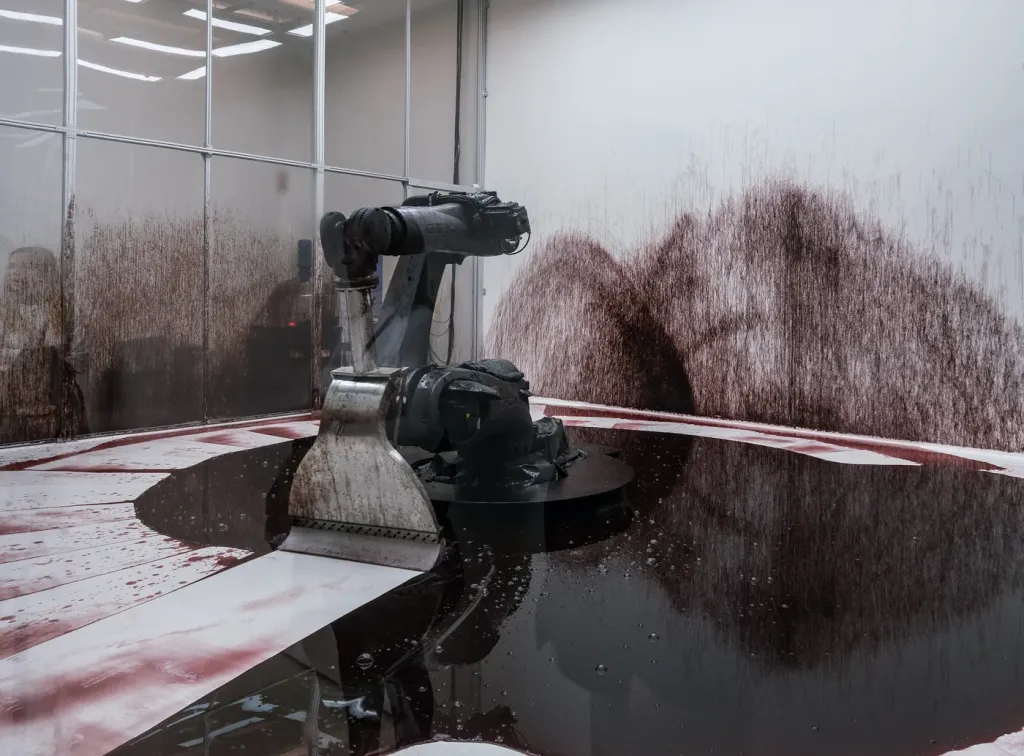
“I Cant Help Myself” Sun Yuan and Peng Yu (2016-2019)
“I Cant Help Myself” is Sun Yuan and Peng Yu’s more mechanical approach to human fragility and modern alienation.
This piece to me represents surveillance and the relenting power we let authoritative figures have over us, especially now, with the use of ALPR cameras and other mass surveillance systems. The piece can also represents the follies of technology and how numbing convenience can be. This addiction controls our need for instant satisfaction, bleeding our hearts and causing us to coil inward into isolation. We become machines in our daily life, addicted to machines that program our happiness at the push of a button.
꒷꒦꒷꒦꒷꒦꒷꒦꒷꒦꒷꒦꒷꒦꒷꒦꒷꒦꒷꒦꒷꒦꒷꒦꒷꒦꒷꒦꒷꒦꒷꒦꒷꒦
Balkan Baroque (1997) Marina Abramovic
꒷꒦꒷꒦꒷꒦꒷꒦꒷꒦꒷꒦꒷꒦꒷꒦꒷꒦꒷꒦꒷꒦꒷꒦꒷꒦꒷꒦꒷꒦꒷꒦꒷꒦꒦꒷꒦꒷꒦꒷
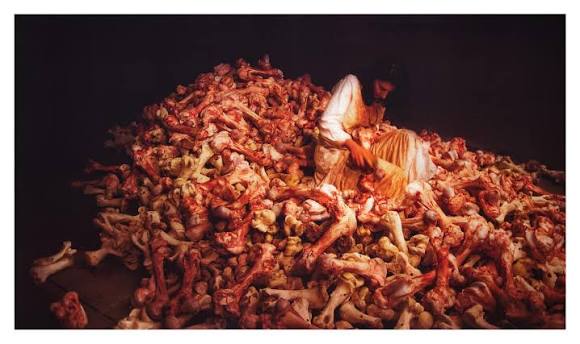
Just like the piece “Cant Help Myself” in “Balkan Baroque” Marina uses blood to evoke the devastating impact war has as it massacres people and their culture. During the act, Marina fruitlessly attempts to scrub blood off the bones of cattle, symbolizing shame and the irreversible damage at the hands of her country. The smell of dead cattle permeates the room as Marina sings yugoslavian folksongs from her hometown, which faced war and turmoil throughout the 90s.
꒷꒦꒷꒦꒷꒦꒷꒦꒷꒦꒷꒦꒷꒦꒷꒦꒷꒦꒷꒦꒷꒦꒷꒦꒷꒦꒷꒦꒷꒦꒷꒦꒷꒦꒷꒦꒷꒦꒷꒦꒷꒦꒷꒦꒷꒦
(Untitled) (Blood) (1992)
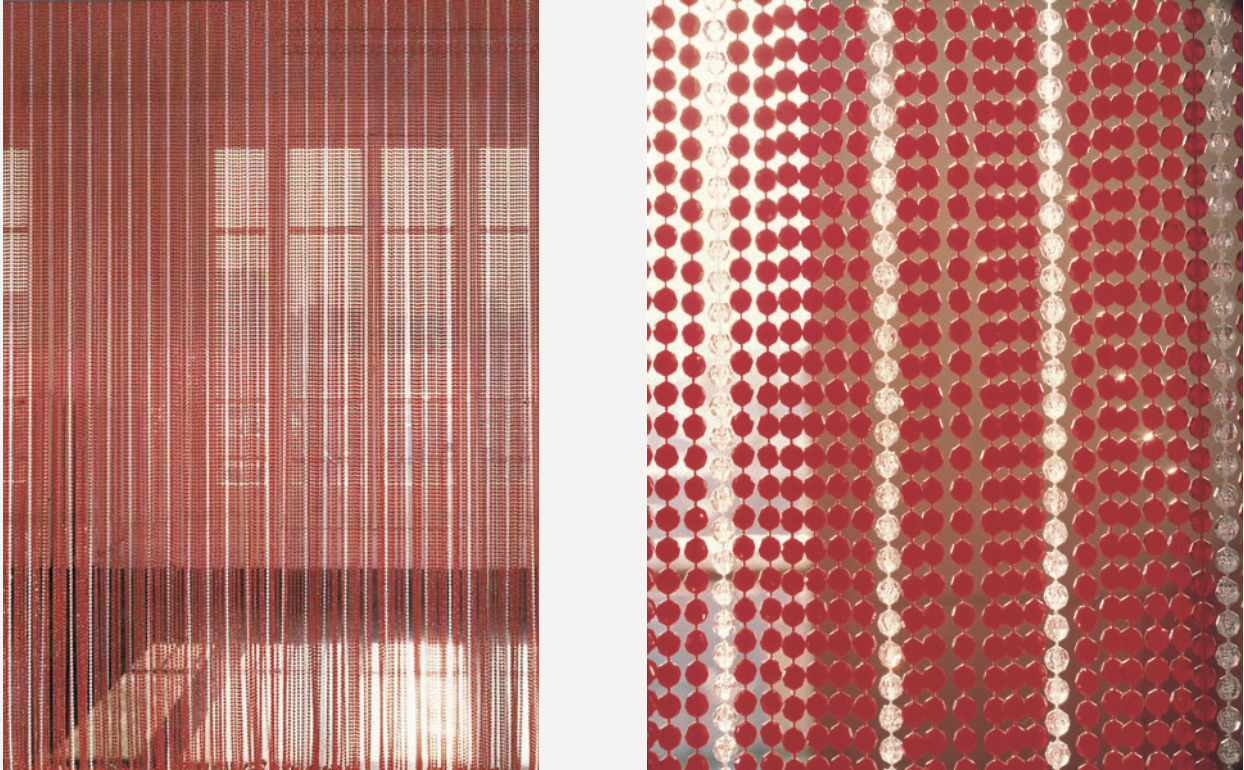
Felix Gonzales-Torres was a conceptual artist who dedicated much of his work to the impact AIDS had on his life and the people around him . With this piece, Felix chose blood to represent the effect of the virus as the disease slowly progresses. Felix used different colored sphere beads to symbolize blood cells. Felix himself would die from AIDS in 1996.
꒷꒦꒷꒦꒷꒦꒷꒦꒷꒦꒷꒦꒷꒦꒷꒦꒷꒦꒷꒦꒷꒦꒷꒦꒷꒦꒷꒦꒷꒦꒷꒦꒷
Real Life
꒷꒦꒷꒦꒷꒦꒷꒦꒷꒦꒷꒦꒷꒦꒷꒦꒷꒦꒷꒦꒷꒦꒷꒦꒷꒦꒷꒦꒷꒦꒷꒦꒷
Haemolacria
It is an common knowledge that in Anne Rice’s dark and elusive world of Vampires that the ordinary night-creature, when prompted, cries in blood. In real life such a thing is possible. Haemolacria, also known as bloody epiphora, is a rare condition that makes people cry blood from their tears.
꒷꒦꒷꒦꒷꒦꒷꒦꒷꒦꒷꒦꒷꒦꒷꒦꒷꒦꒷꒦꒷꒦꒷꒦꒷꒦꒷꒦꒷꒦꒷꒦꒷꒦
Music that Makes Me Think of Blood
Strawberry Gashes-Jack Off Jill
꒷꒦꒷꒦꒷꒦꒷꒦꒷꒦꒷꒷꒦꒷꒦꒷꒦꒷꒦꒷꒦꒷꒷꒦꒷꒦꒷
Jack off Jill feels like it was was written from a diary stained with the anguished blood of a sanguine girl being thrown hell from of every angle until her soft petal-like flesh is crumpled and bruised into pools of disenchanting blood.
꒷꒦꒷꒦꒷꒦꒷꒦꒷꒦꒷꒷꒦꒷꒦꒷꒦꒷꒦꒷꒦꒷꒷꒦꒷꒦꒷
Sick Fuck Unter Null
꒷꒦꒷꒦꒷꒦꒷꒦꒷꒦꒷꒷꒦꒷꒦꒷꒦꒷꒦꒷꒦꒷꒷꒦꒷꒦꒷
This song and entire album feels like a montage or what goes on in the heads of the zombies of 28 days later.
꒷꒦꒷꒦꒷꒦꒷꒦꒷꒦꒷꒷꒦꒷꒦꒷꒦꒷꒦꒷꒦꒷꒷꒦꒷꒦꒷
Vena Cava-Angelspit
꒷꒦꒷꒦꒷꒦꒷꒦꒷꒦꒷꒷꒦꒷꒦꒷꒦꒷꒦꒷꒦꒷꒷꒦꒷꒦꒷
The sound of veins bubbling with fire from the vivacious chemicals of stimulation
꒷꒦꒷꒦꒷꒦꒷꒦꒷꒦꒷꒷꒦꒷꒦꒷꒦꒷꒦꒷꒦꒷꒷꒦꒷꒦꒷꒦꒷꒦꒷꒦꒷
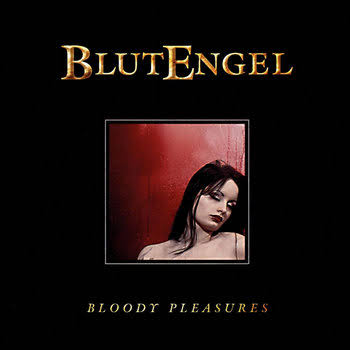
BlutEngel-Bloody Pleasure
꒷꒦꒷꒦꒷꒦꒷꒦꒷꒦꒷꒷꒦꒷꒦꒷꒦꒷꒦꒷꒦꒷꒷꒦꒷꒦꒷
Sing this song with a ounce of blood running down your jelly fangs and you’ll feel very brooding and evil.
꒷꒦꒷꒦꒷꒦꒷꒦꒷꒦꒷꒷꒦꒷꒦꒷꒦꒷꒦꒷꒦꒷꒷꒦꒷꒦꒷
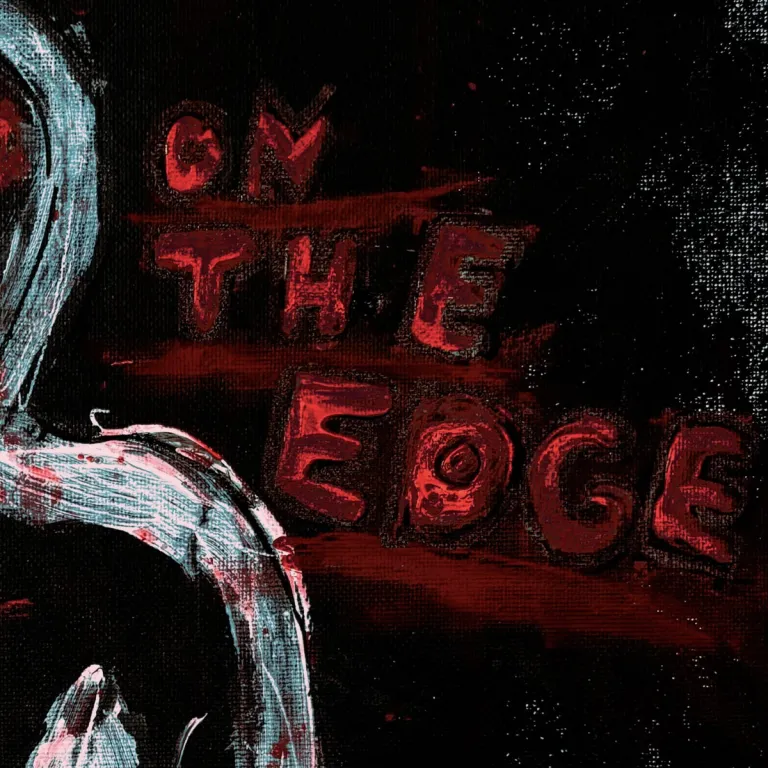
Sexual Purity- Over The edge
꒷꒦꒷꒦꒷꒦꒷꒦꒷꒦꒷꒦꒷꒦꒷꒦꒷꒦꒷꒦꒷꒦꒷꒦꒷
Sexual Purity’s Chain was actually used in the Hellraiser: Revival trailer.
Flesh is a trap, magic sets you free. -Clive Barker Lord Of Illusions
⫘⫘⫘⫘⫘⫘⫘⫘⫘⫘⫘⫘⫘⫘⫘⫘⫘⫘⫘⫘⫘⫘⫘⫘⫘⫘⫘⫘⫘⫘⫘
Real Life
⫘⫘⫘⫘⫘⫘⫘⫘⫘⫘⫘⫘⫘⫘⫘⫘⫘⫘⫘⫘⫘⫘⫘⫘⫘⫘⫘⫘⫘⫘⫘
Anthropadermic bibliopegy
The practice of binding books in human-skin can be traced back to the French Revolution, when rumors that the skin of executed French aristocrats were being bound into books in a tannery. In 1790 an elusive and venerable copy of the nefarious/scandolous 17th century French writer, Marquis De Sade’s Salo, was purported to have been adorned with a female nipple, although if this ever existed it has never been found. An edititon of Andreas Vesalius’s De Humani Corpus Fabrica confirmed to be bound in human skin is held in the John Hay’s Library.
Mutter Museum
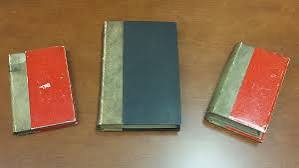
Three books bound in Mary Lynch’s skin
Within the esophagus of the Mutter Museum stands their grotesquely intriguing collection of anthropadermic books. Three books at the museum are confirmed to be bound in the skin, once owned by Dr John Stockton Hough. The skin belonged to Mary Lynch, a woman who had died of tuberculosis and parasitic infection.
The act of binding books with this particular morbid element convening just how temporary and masterless we truly are in this world. It also raises question the morality of early medical professionals that can still carry weight today.
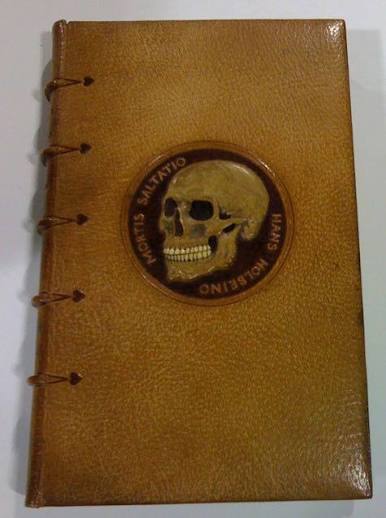
Holbein’s dance of death
Probably is or not the exact anthropadermic bibliopegy book, (couldnt find any reliable editions to source)
Published in 1538, German printmaker Hans Holbeins’ Dance of Death is a macabre glimpse into medevial societies perception of death, spirituality and the inevitable demise every human meets regardless of class or lifestyle. The book being bound in human skin reflects our mortality and transience. The book itself has numerous wood cut illustrations of death.
Des Destinee De Lame
In France, A surgeon named Dr Ludovic B. bound not one, but SEVERAL books in human skin. One of the books was “Des Déstinees De Lâme” or Destinies of the soul,” a philosophy essay written by French writer Arsene Houssaye, who was a personal friend of Ludovic. The book traces back to 1879 and is hypothesized to be bound with the skin of a female mental hopsital patient that Dr Ludovic had worked with. Bouland had pointed out how “You can even distinguish the pores.”
In March 2024, Harvard announced that they had removed the skin which had bound the book Des Déstinees De Lâme.
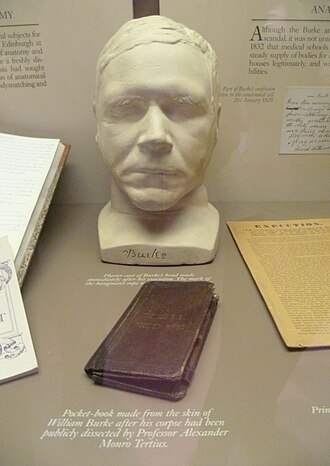
William Burke
In the 18th century, The practice of binding books in human skin was especially popular with doctors and physicians who kept the cadavers of patients’ they favored. They saw their leftover skin as something that could be used for a book cover.
Often, doctors would remove the skin of dead criminals to bind books retelling their immoral acts. For instance, in the case of William Burke, one part of the Scottish duo murders Burke and Hare, who themselves murered 16 men in order to sell their bodies for dissection. After his execution, Burke’s skin was used to bound a pocket-sized book.
⫘⫘⫘⫘⫘⫘⫘⫘⫘⫘⫘⫘⫘⫘⫘⫘⫘⫘⫘⫘⫘⫘⫘⫘⫘⫘⫘⫘⫘⫘
Art
⫘⫘⫘⫘⫘⫘⫘⫘⫘⫘⫘⫘⫘⫘⫘⫘⫘⫘⫘⫘⫘⫘⫘⫘⫘⫘⫘⫘⫘⫘⫘
Andrew Krasnow’s instillation “Of the Flesh” (1992/1999)
Andrew used some of his own skin, aswell as legally donated skin. The “Walrus” piece is created from human skin, leather, and tusks made form animals bones.
⫘⫘⫘⫘⫘⫘⫘⫘⫘⫘⫘⫘⫘⫘⫘⫘⫘⫘⫘⫘⫘⫘⫘⫘⫘⫘⫘⫘⫘⫘⫘
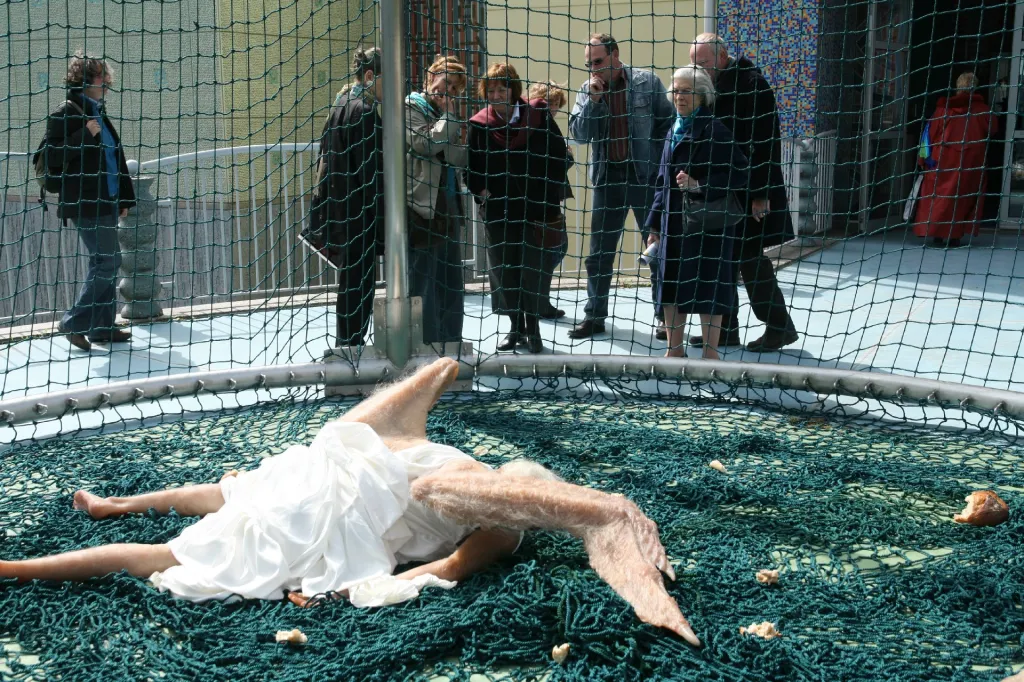
“Angel”
Sun Yung and Peng Yu’s “Angel”
Ive had a deep fascination with silicon statues and sculptures that mimic the human skin uncannily. Sun Yuan and Peng Yu have multiple different sculptures and installations like this, although “Angel” is the one I revere the most.
⫘⫘⫘⫘⫘⫘⫘⫘⫘⫘⫘⫘⫘⫘⫘⫘⫘⫘⫘⫘⫘⫘⫘⫘⫘⫘⫘⫘⫘⫘⫘
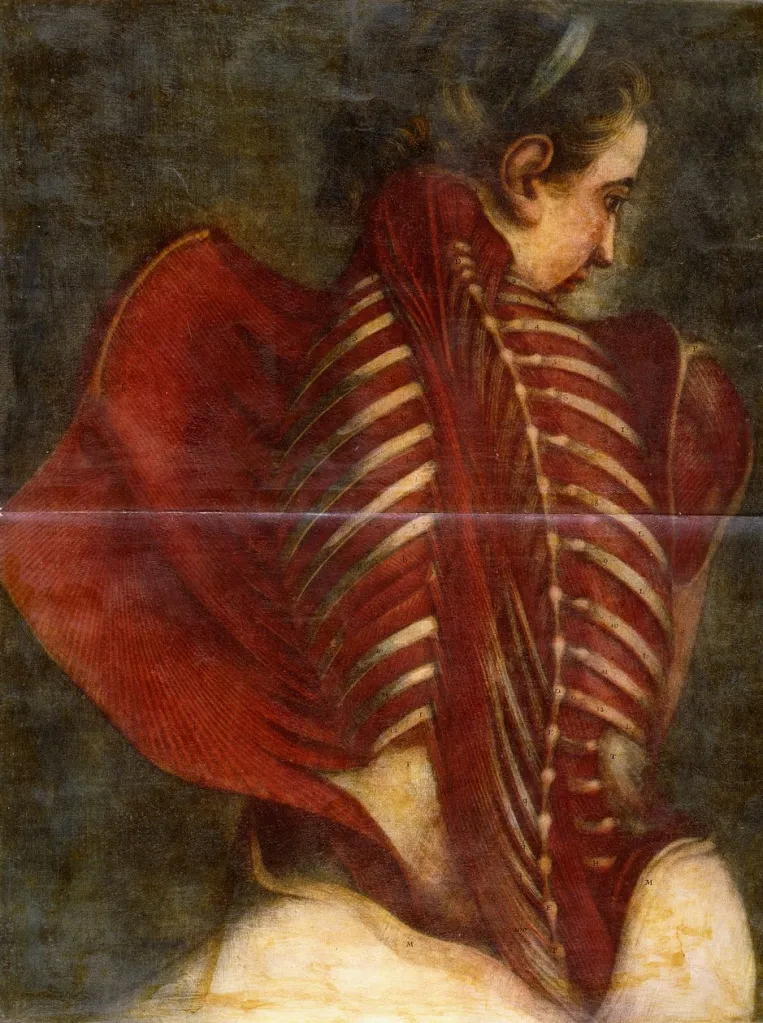
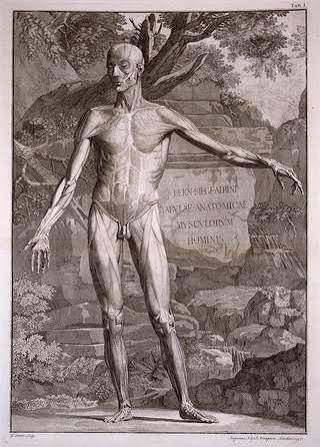
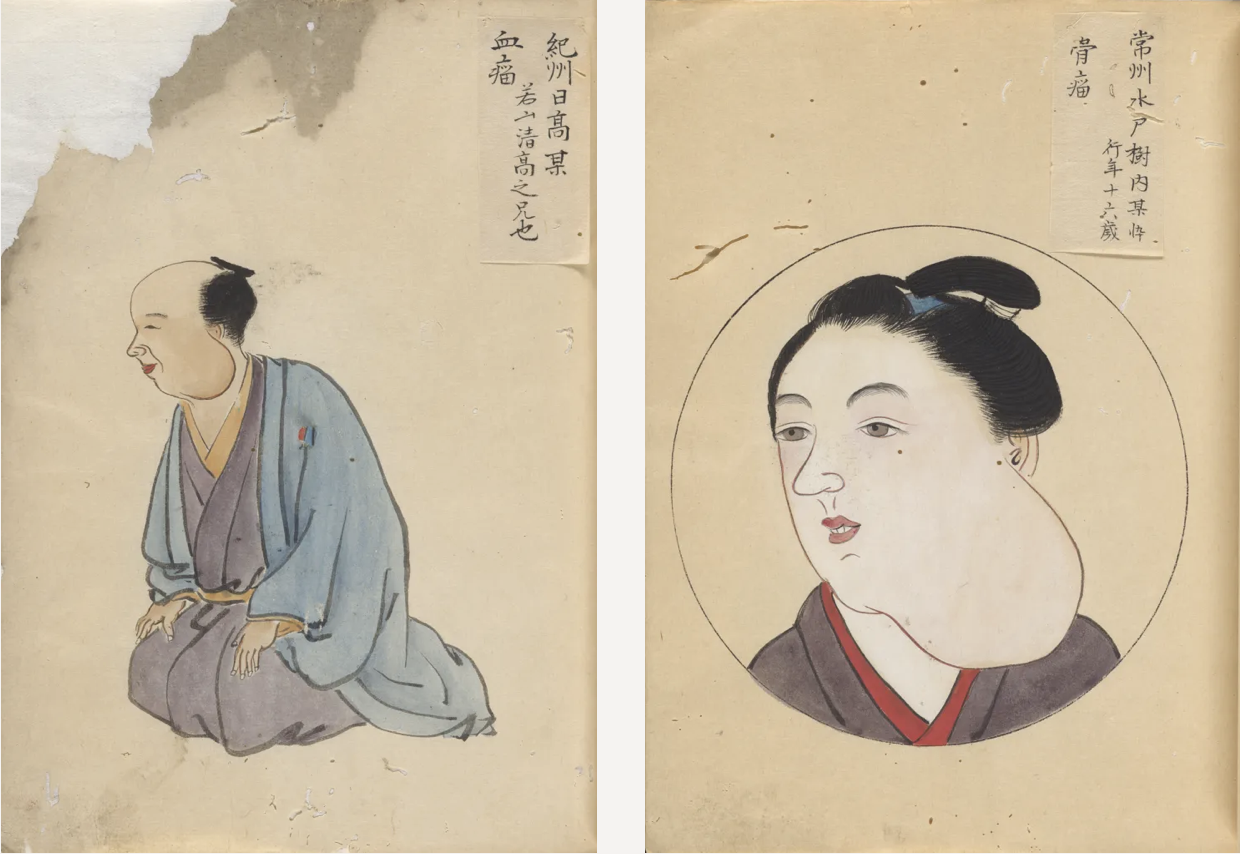
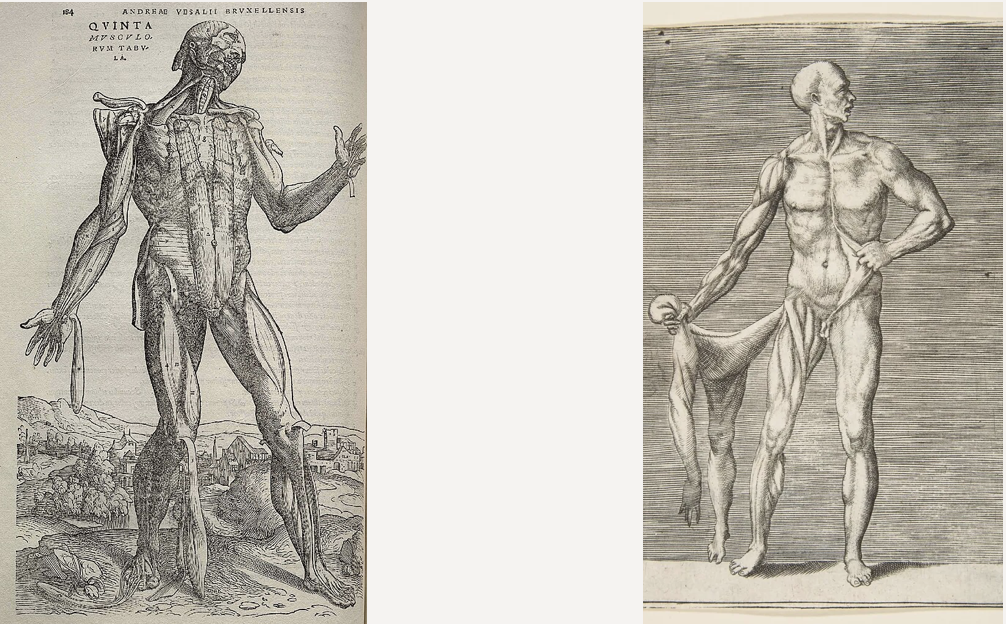
A Collection of My Favorite Medical skin illustrations
“The Flayed Angel” by Jaques-Fabien
Color Mezzotint, published in his Essai d’anatomic en tableaux imprimés
From the Tablulae Sceleti et muscolorum-
Pictures from Hanaoke’s Seishu’s Kishitsu
Flayed Figures and Echorches
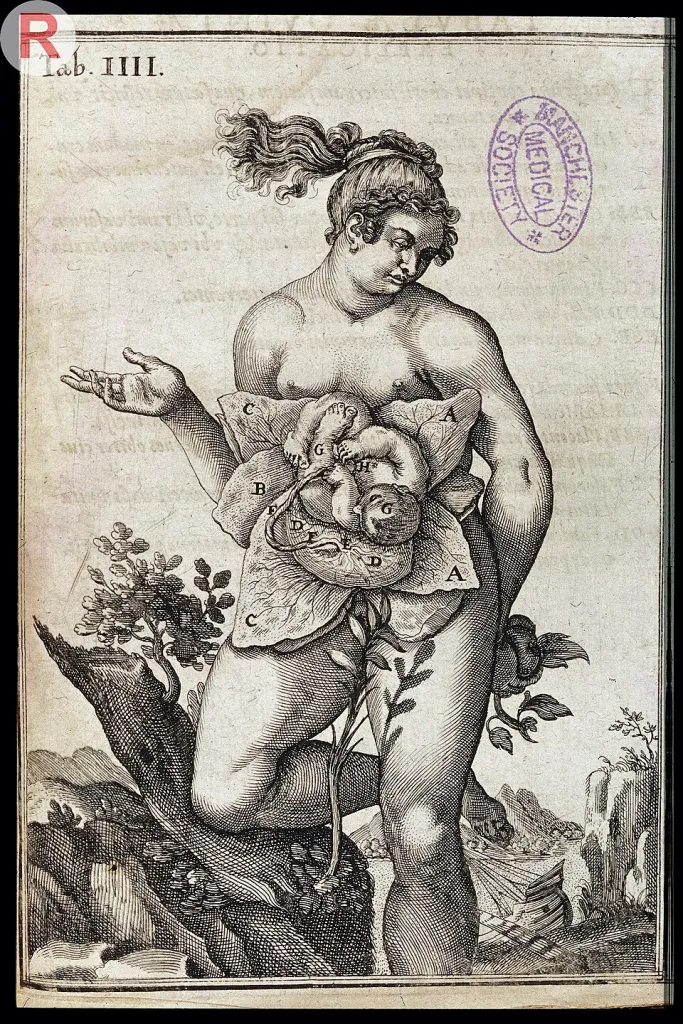
I also will not go too deep into the subject of flayed figures and echorches as I plan to do a in depth post dedicated to this subject as well.
(right) Giulio Bonasone’s illustration
Anatomies de la tete
De formato foetu liber singularus
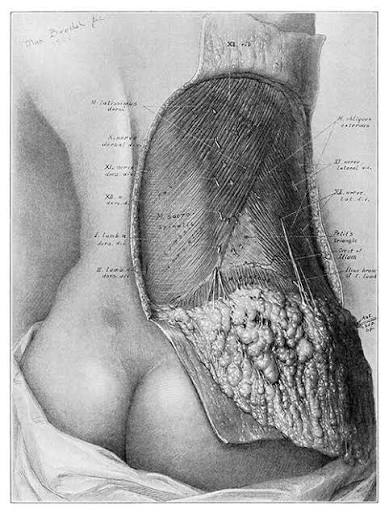
Max Brödel
⫘⫘⫘⫘⫘⫘⫘⫘⫘⫘⫘⫘⫘⫘⫘⫘⫘⫘⫘⫘⫘⫘⫘⫘⫘⫘⫘⫘⫘⫘⫘
Books and Movies
⫘⫘⫘⫘⫘⫘⫘⫘⫘⫘⫘⫘⫘⫘⫘⫘⫘⫘⫘⫘⫘⫘⫘⫘⫘⫘⫘⫘⫘⫘⫘
Movies to watch this Halloween that will make you ache and become squeamishily conscious of your skin.
⫘⫘⫘⫘⫘⫘⫘⫘⫘⫘⫘⫘⫘⫘⫘⫘⫘⫘⫘⫘⫘⫘⫘⫘⫘⫘⫘⫘⫘⫘⫘
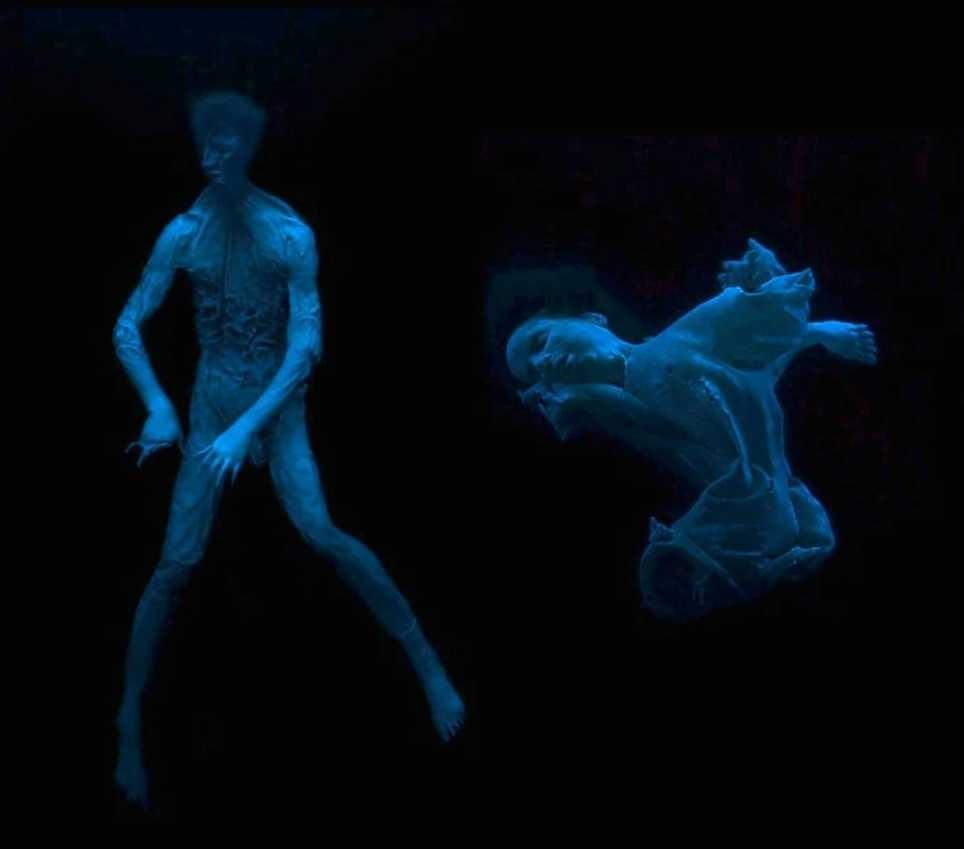
Under The Skin (2014) Directed by Johnathan Glazer
Scene from Under The Skin (2014)
⫘⫘⫘⫘⫘⫘⫘⫘⫘⫘⫘⫘⫘⫘⫘⫘⫘⫘⫘⫘⫘⫘⫘⫘⫘⫘⫘⫘⫘⫘⫘
David Cronenberg Skin Collection
⫘⫘⫘⫘⫘⫘⫘⫘⫘⫘⫘⫘⫘⫘⫘⫘⫘⫘⫘⫘⫘⫘⫘⫘⫘⫘⫘⫘⫘⫘⫘
Society(1989)
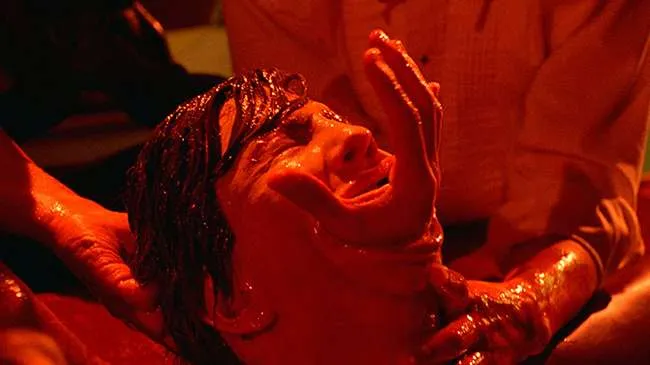
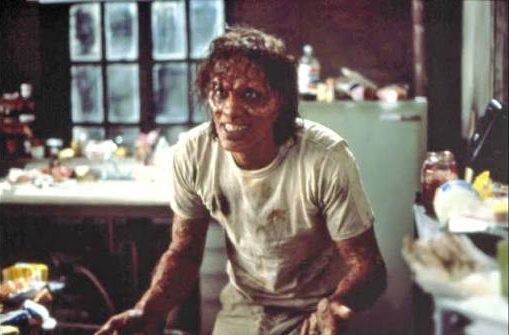
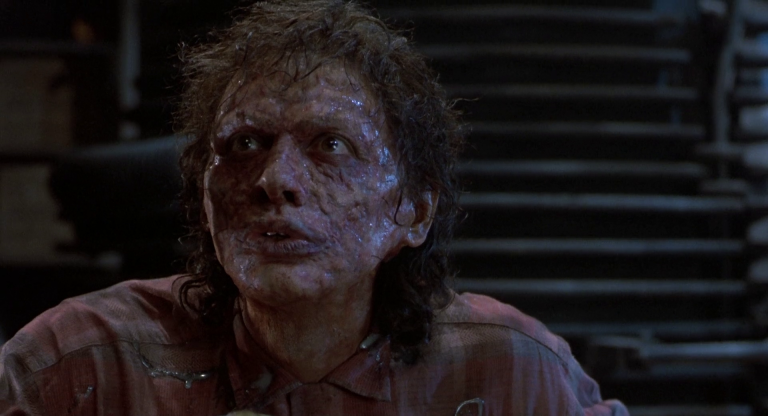
The Fly (1986)
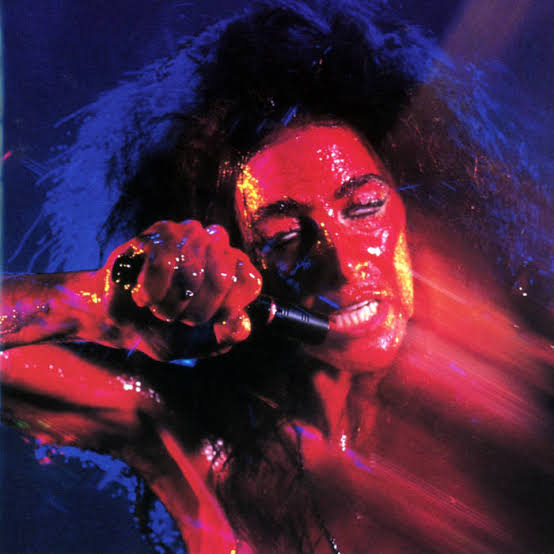
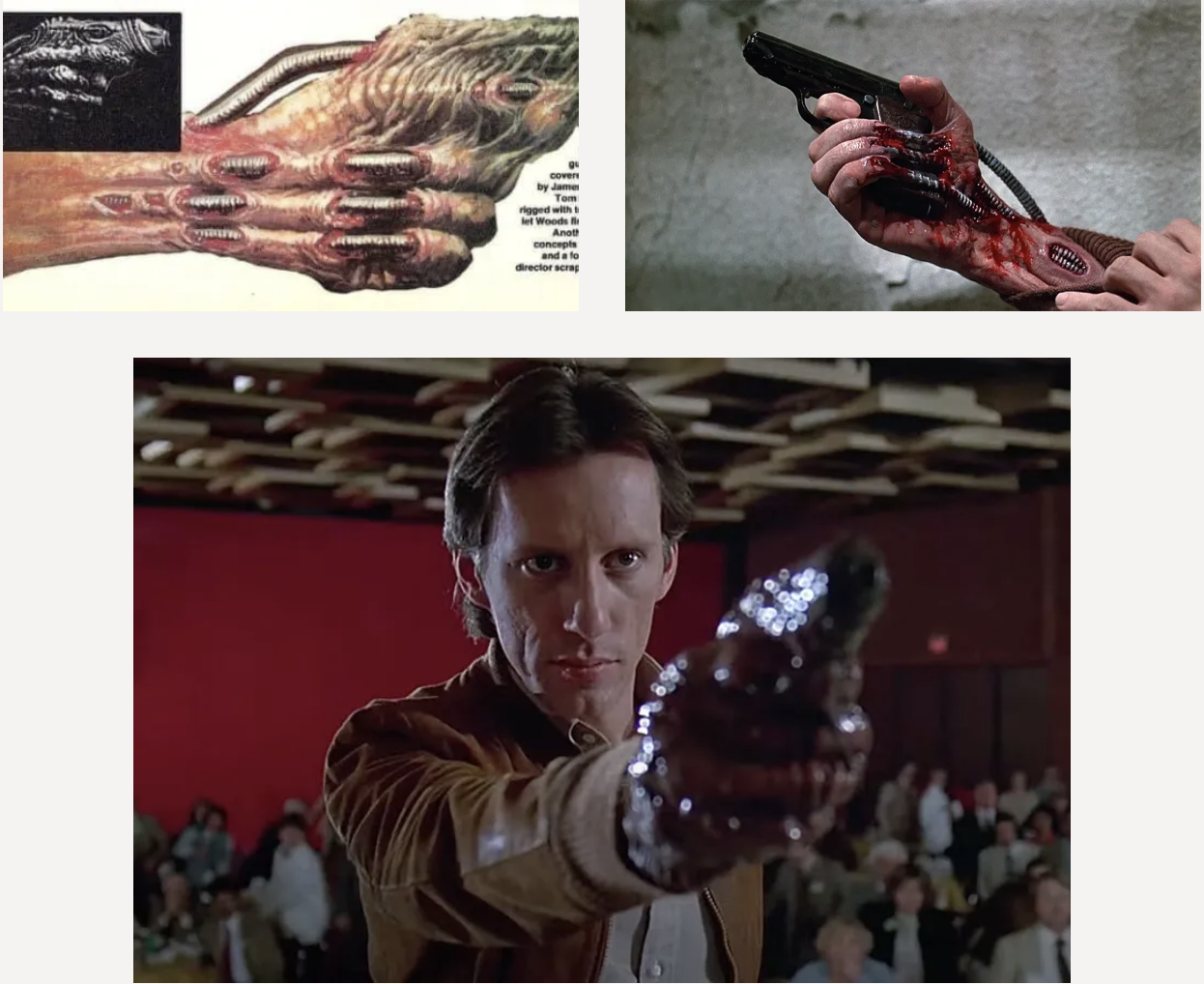
Videodrome (1983)
watched this movie with my mom. lol. I love Debby Harry and this super sick anatomically attentive sick SFX concept/art design Cronenberg designed. The meticulous detail of the gun/mechanics fused into Max’s flesh.
⫘⫘⫘⫘⫘⫘⫘⫘⫘⫘⫘⫘⫘⫘⫘⫘⫘⫘⫘⫘⫘⫘⫘⫘⫘⫘⫘⫘⫘⫘⫘
Clive Barker Skin Collection
⫘⫘⫘⫘⫘⫘⫘⫘⫘⫘⫘⫘⫘⫘⫘⫘⫘⫘⫘⫘⫘⫘⫘⫘⫘⫘⫘⫘⫘⫘⫘
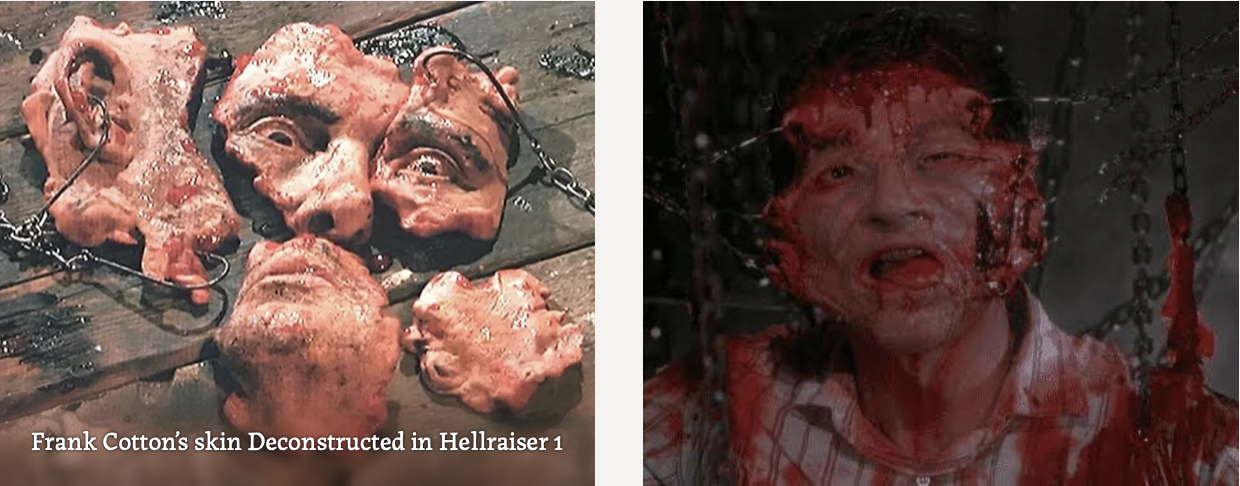
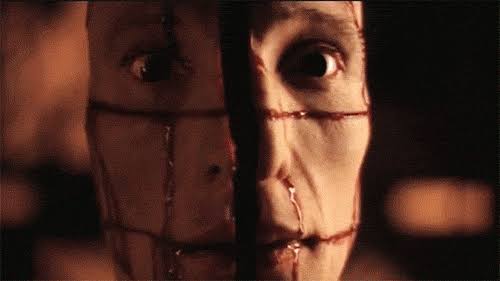
Frank Cotton’s skin Deconstructed in Hellraiser 1
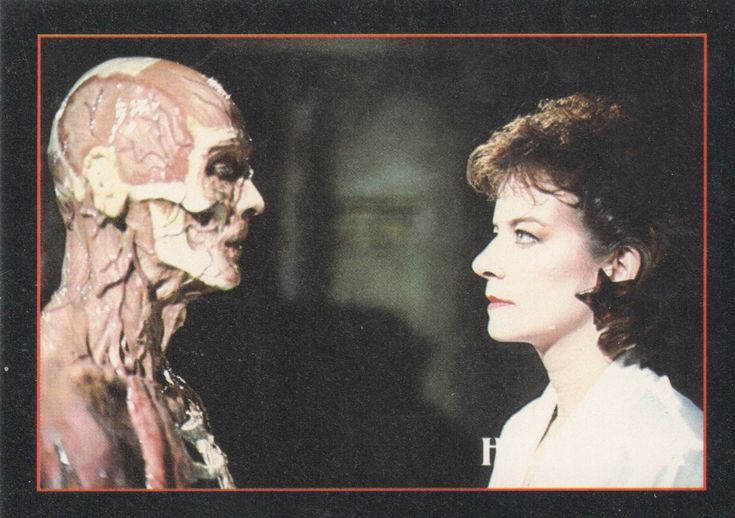
Hellraiser Trading card
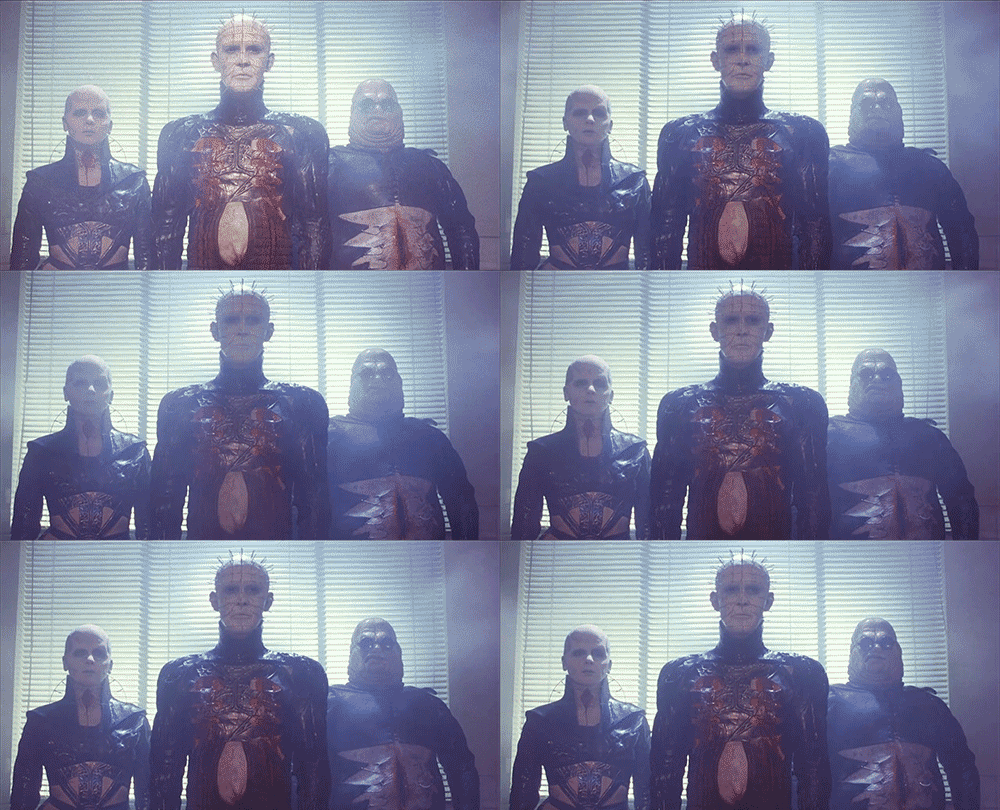
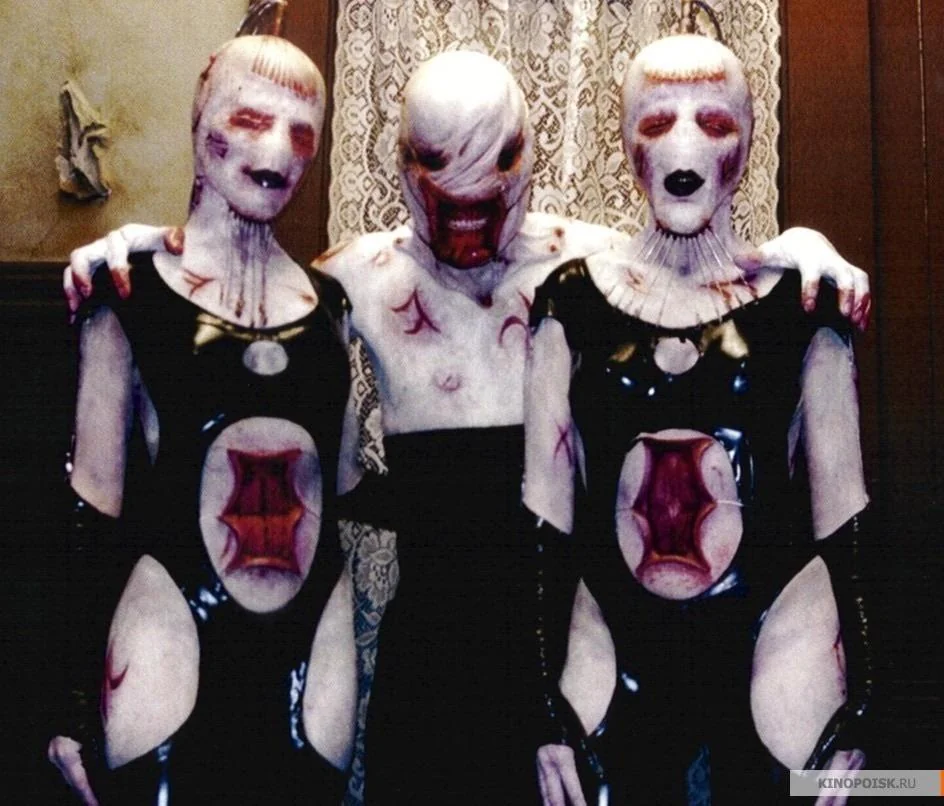
Behind the scene photos of the cenobites from Hellraiser Inferno
⫘⫘⫘⫘⫘⫘⫘⫘⫘⫘⫘⫘⫘⫘⫘⫘⫘⫘⫘⫘⫘⫘⫘⫘⫘⫘⫘⫘⫘⫘⫘
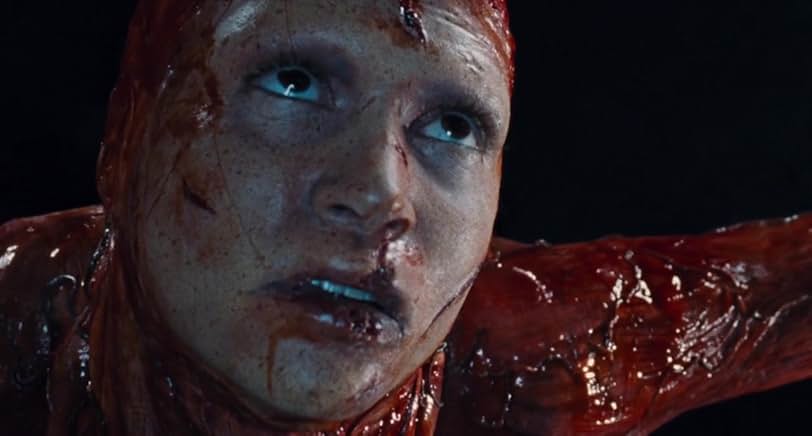
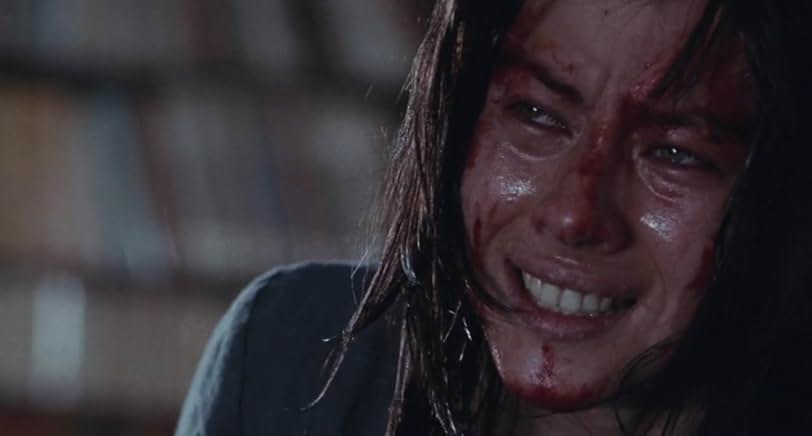
Martyrs(2008) Directed by Pascal Laugier
Martyrs was partly inspired or influenced by the medieval depiction of female martyrs and the reoccurring themes of suffering woman in religious art. The first part of the movie the emotion skin evokes: How the intensity of sensations completely transmutes our self-worth.
⫘⫘⫘⫘⫘⫘⫘⫘⫘⫘⫘⫘⫘⫘⫘⫘⫘⫘⫘⫘⫘⫘⫘⫘⫘⫘⫘⫘⫘⫘⫘
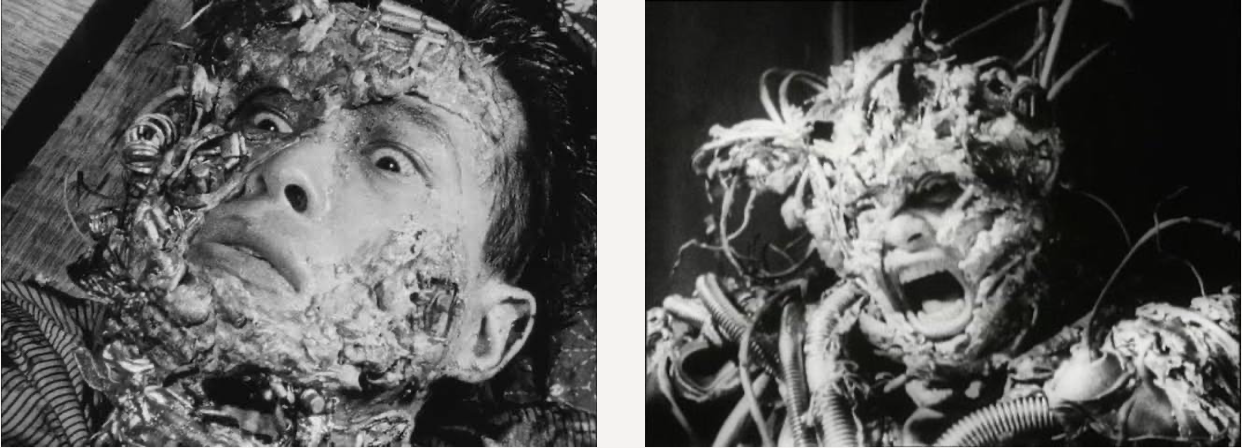
Tetsuo: The Iron Man(1989) directed by Shinya Tsukamoto
Emotions skin evokes: The dehumanization of the self through tangibility. Powerlessness of what our skin can endure.
I have a tattoo of this movie poster on my thigh, if that tells you how much I love this movie. I watched it on shrooms the night before getting the tattoo and that was one of the most ingenious shroom trip movie viewings I’ve had. anyways, this hyperactive Japanese flick with its cacophonous soundtrack clanging beneath the gnarly transformation of a Japanese business man’s terrible day. Perhaps one of my favorite body horror movies depicting the dehumanization of flesh through a powerless transformation, its like transformers, if the transformer was painfully aware of the grinding gears embedded in their muscles, or the agony of circuits fusing into their nerves.
I dont know how to explain it, as im sure most concepts and dreams we created in childhood seem so vaugly detached now, but ive always had this discomfort of human skin fusing with things inhuman. Or even animal’s skin. I remember having a dream of a dog with one of those styrofoam meat trays they put pork in at grocery stores fused into his nozzle, and it was a weird dream I still vaguely tether some idea of, like there was this very stark swamp, and something very slavic redolent to a curse inflicted by Baba Yaga.Tone: manic, hyperactive, industrial
⫘⫘⫘⫘⫘⫘⫘⫘⫘⫘⫘⫘⫘⫘⫘⫘⫘⫘⫘⫘⫘⫘⫘⫘⫘⫘⫘⫘⫘⫘⫘
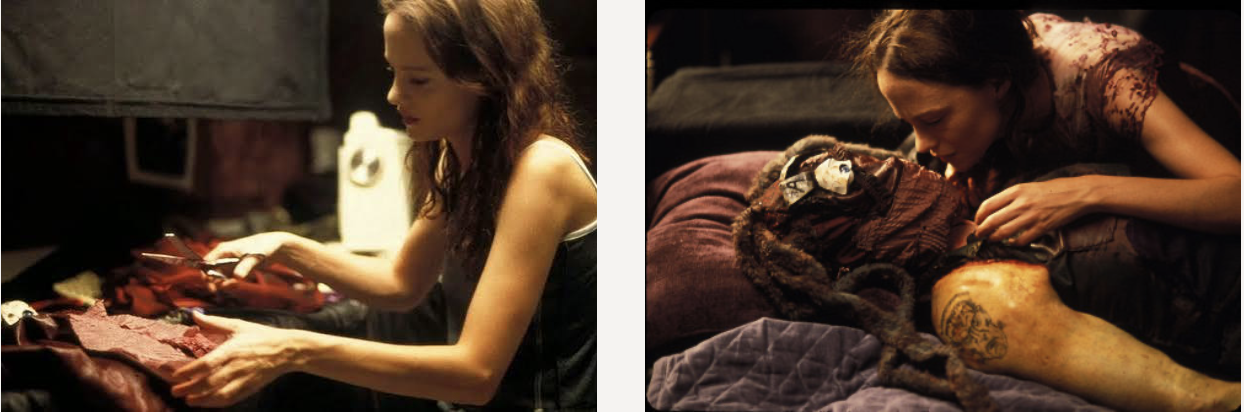
MAY (2000) Directed by Lucky Magee
Emotions skin evokes: Shame, weirdness, isolation, obsession.
May is a deeply lonely and sick woman with an interest in insentient things. When May falls in love with a man attracted to her strangeness it becomes an obsession that slowly grows grim. You want a movie to make you feel as if your an alien awkwardly trying to blend into human skin? This ones for you.
Illustrations of the Colonials from C.m Köseman’s science fiction novel All Tomorrows
All though I have yet to read this book, it has been on my list of science fiction novels to engorge since a friend in the mental hospital explained the premise. A post-meth addicted nerd with the demeanor and vigor of a 20 yr old yet the intelligence of the 30 yr old who experienced some tough shit and now has three kids, which are always the best. Anyways, what really stuck out to me were his description of the colonials. Set in a dystopian future, were the human race has become a colony called “the star people” in battle with an alien race called the Qu. The colonials were a post-human class created from the Qu. They have it worse of all the humans, as they are immobilized cubes of human flesh who serve as the Qu’s waste disposal. Oh they are sentient btw.
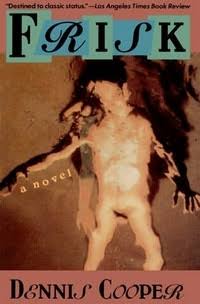
Dennis Coopers Frisk perfectly demonstrates ones desire to infiltrate another body and control the flesh as if it was a machine.
⫘⫘⫘⫘⫘⫘⫘⫘⫘⫘⫘⫘⫘⫘⫘⫘⫘⫘⫘⫘⫘⫘⫘⫘⫘⫘⫘⫘⫘⫘⫘
Music that makes me think of skin
⫘⫘⫘⫘⫘⫘⫘⫘⫘⫘⫘⫘⫘⫘⫘⫘⫘⫘⫘⫘⫘⫘⫘⫘⫘⫘⫘⫘⫘⫘⫘
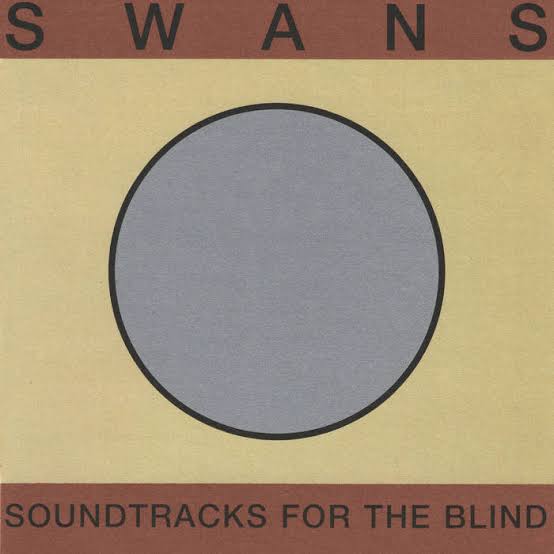
Swans-I was a prisoner in your skull
SD Laika- That’s Harakiri
This album evokes what I imagine Tetsuro’s mind sounds like as his brain becomes fused with nails and grinding gears.
Hamburger Lady-Throbbing Gristle
Flesh is the law-Genitorturure
Empowerment of the flesh through humiliation and sensation.
Flowers of Flesh and Blood- Nicole Dollanganger
The hatred an adolescent girl feels at her own beautiful skin when the filthy hands corrupt them. The desire to inflict this shame, humiliation, and hatred onto the body who corrupted it.
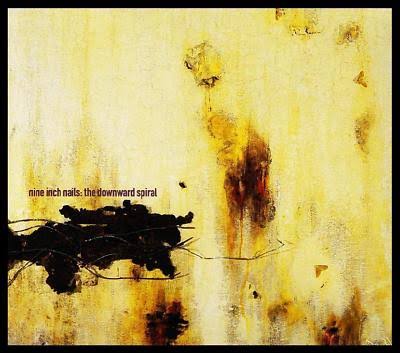
Nine Inch Nails- Downward Spiral
Linea Apera Mycellium
This song to me evokes the trepidatious nerves beneath our skin that restrain us from the whole truth, the hopelessness we feel rom the limits of our oral muscles. How it severed the truth within our mind, and hinders our body’s complete communication.
“Could have slipped into the muscle of the deep machine and found you the love you expected from me…I could’ve shown you everything…
– Mycellium Linea Aspera
Boy Harsher Lesser Man
This entire album is embedded beneath skin after a cold hook-up. The last callous cloud of breath before a wordless departure. It’s sensual, emotionally vulnurable with how much the soul aches from the pain of human fragility and abandonment.
Zanias Follow The Body
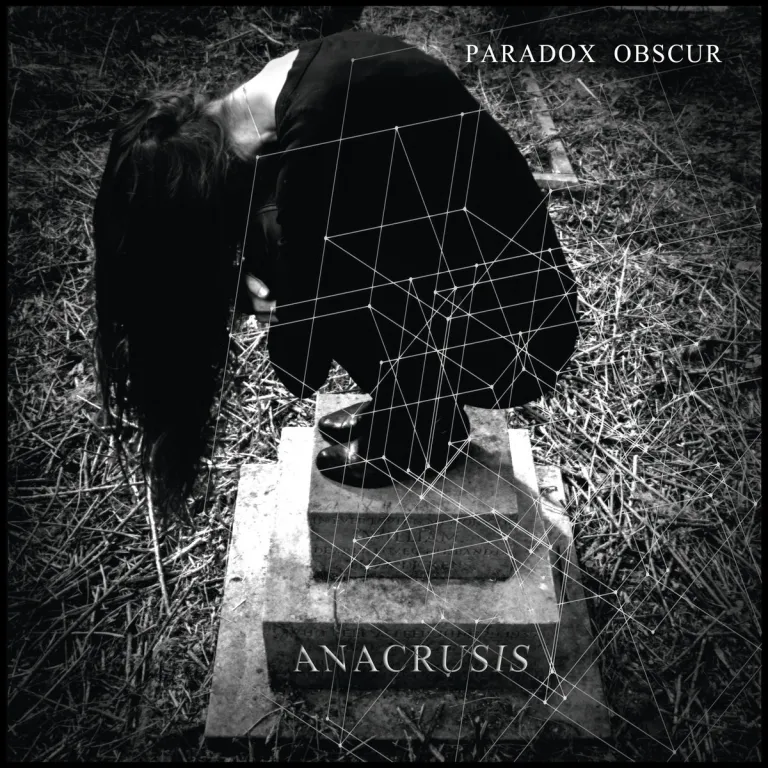
Flesh Paradox OBscur
⫘⫘⫘⫘⫘⫘⫘⫘⫘⫘⫘⫘⫘⫘⫘⫘⫘⫘⫘⫘⫘⫘⫘⫘⫘⫘⫘⫘⫘⫘⫘
Gallery of Human Skin
⫘⫘⫘⫘⫘⫘⫘⫘⫘⫘⫘⫘⫘⫘⫘⫘⫘⫘⫘⫘⫘⫘⫘⫘⫘⫘⫘⫘⫘⫘⫘
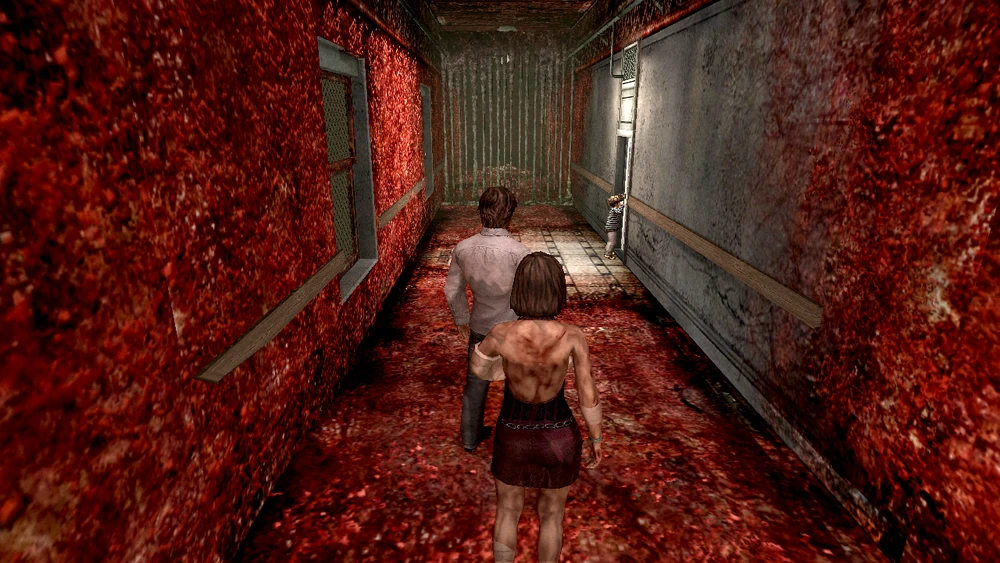
Silent Hill
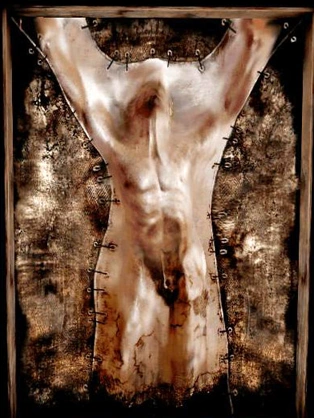
Human skin portrait from Silent hill
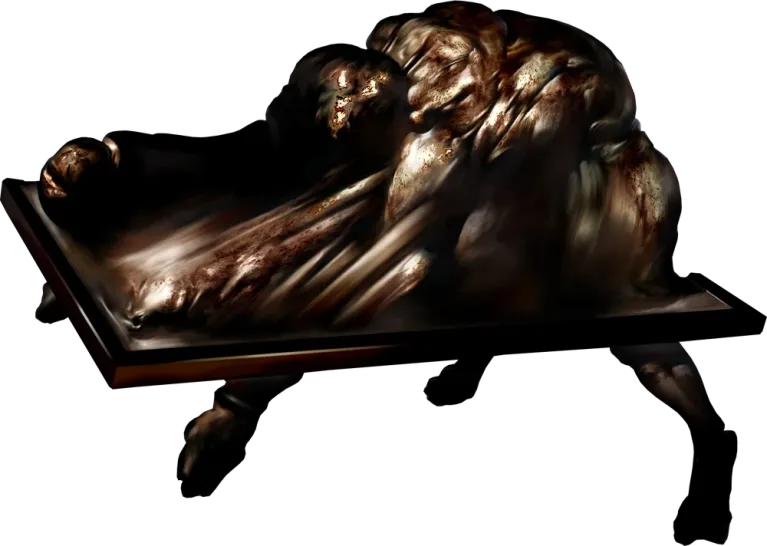
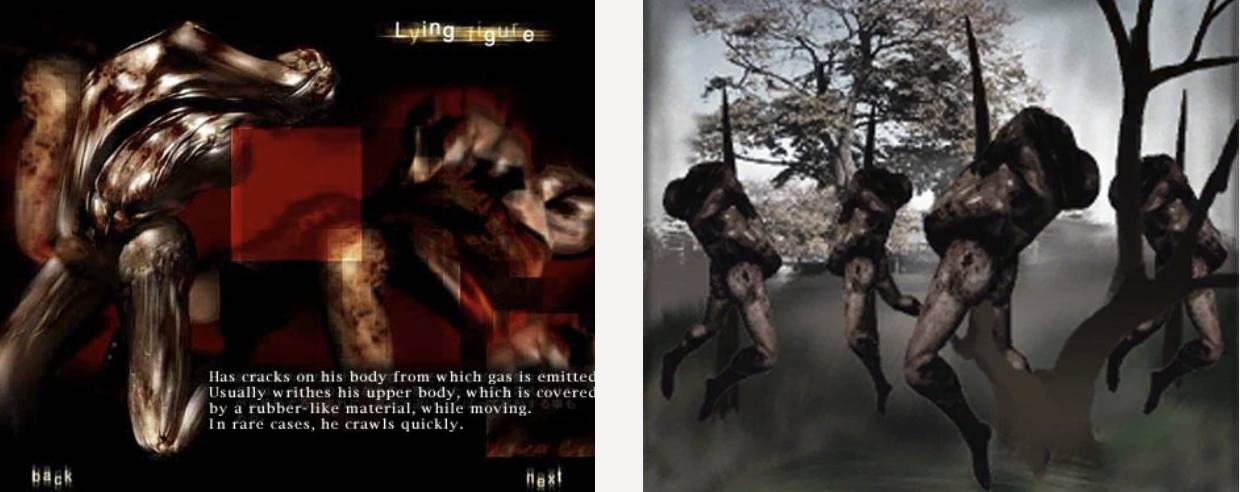
Lying Figure from Silent hill 2. According to the fan wiki Creature Designer Masahiro Ito was inspired by BDSM fashion for this character.
p.s. Hey. This weekend the writer, artist, bon vivant, distinguished local and so much more aka Darbz has created a giant way for you to celebrate Halloween from the privacy of your laptops and phones. The glories therein are self-evident, so please indulge yourselves sans reservations and, if you have a minute, give a comment or thanks or something to your intrepid, generous guest-host. Thank you from the spooky bottoms of my heart and head, Darbz! ** Adem Berbic, Hey. My novels ‘The Sluts’ and ‘Frisk’ get pulled into the horror category quite a lot, which I guess speaks to horror’s multiplicity? Instructive in the second sense you presented. The Blecher is a helluva book. Good decision. On the continent? Phantasialand and Europa Park, both in Germany, spring to mind. ** jay, Hey, jay! Paris is rainy and coldish and may or may not erupt in massive protests today. We’ll see very shortly. Congrats on getting the huge document documented. ‘Dr. Faustus’ the Thomas Mann novel or the Christopher Marlow play? I’m guessing the former. If so, I totally agree. Mann’s so great when he’s great. ‘Magic Mountain’ is amazing too. Enjoy your involvement. Things are okay here. Any Halloween plans or hopes? ** _Black_Acrylic, That’s my guess, partly because the placards look a little visually dodgy and mostly because I feel like if that was real, I’d be seeing it all over the place, and that’s the only time I’ve come across it. ** adrian, Hi, adrian, great to see you! I’m mostly deprived of Halloween in the real world this year, so the blog is trying to compensate if not over-compensate. No, we’re not going to Milan screening. I wish. I can suggest reading the novel in the spotlight post yesterday. Otherwise, I did a post about 5 books I read recently and loved several days ago, so one of those maybe? Presto re: your day and immediate future too. ** Carsten, Blecher is a real find. Luckily for you my blog doesn’t embrace Christmas with the fervor that it does Halloween, but there will be some Xmas-y posts, so prepare yourself accordingly, My weekend’s shape will be determined by the strength and effect of the protests starting today. I’m about to run out and grab my cigs and food the weekend hoping to beat the possible battling and blockades. Congrats on the great blurb! ** Jeff J, Hi. It is a real find. It’s pretty great. He’s quite interesting in general. Cool about the post, thank you! I’ll go find the email and set it up and let you know. Really thanks, Jeff. Russell’s BBC work … I don’t think so, or I’m blanking. I’ll find what I can find. The new film: Our producer is approaching possible investors. We’re finalising the budget. Big meeting just after Halloween to get a progress report and start taking about casting and locations. Things look very good but, after the utter hell last time, I’m nervous about getting too optimistic. Have the finest weekend humanly possible. ** scunnard, Like I said above, protests start again today, and how ferocious they are or not will determine Paris’s current state. Sure, a conversation with Kier would be great. I haven’t talked with him in far, far too long. Let’s figure it out when the time is appropriate. Thanks for wanting. ** HaRpEr //, Blecher is great. I’m surprised he’s so obscure, or maybe not surprised at all, I guess. Russell’s films are definitely a great pleasure to have in existence even when they don’t quite work. I remember really liking one of his most obscure or hardly ever mentioned films ‘Savage Messiah’, but I haven’t seen it since it was released, so I’m not sure. ** laura w, When I was living in LA, I loved the Dodgers. I like baseball a lot, although I don’t follow it anymore since France has sub-zero interest in it. I’d be pleased if the Dodgers were still in the running, but I’m just as pleased that all that’s left are the underdog teams. Wow, after your report, I will make sure to never ever go to a ‘Rocky Horror’ screening. Yikes! ** Darbz on da’ ‘top, It’s the dude of the hour or rather of the 48+ hours! Thank you again so very much, pal! Sautée maker, ooh, big talent there. Yes, cold sesame noodle is the answer to taste buds’ prayers. Well, fuck the reality that doesn’t allow teleportation then. Take your teacher’s praise completely to heart. When I was in college and my two poetry teachers praised my terrible, early poetry, that was literally a big reason why I kept writing. Sad about the no home haunts, but, hey, I’m in the god damned boat, and we will survive. ** Uday, Is that possibly why? I don’t understand code and programming and so on at all, so I’ll just accept your informed speculation. Blecher had a lot of strengths, but the lack Breton’s control is certainly among them. ** Right. Have a very Halloween-y weekend courtesy of Darbz, and I’ll see you back here on Monday.


 The Complete Manual of Suicide(Japanese:完全自殺マニュアル) is a Japanese book written by Wataru Tsurumi. It was first published on the 4th of July, 1993 and sold more than one million copies. This 198 page book provides explicit descriptions and analysis on a wide range of suicide methods such as overdosing, hanging, jumping, carbon monoxide poisoning, etc. Moreover, this is not a suicide manual for the terminally ill. There is no preference shown for painless or dignified ways of ending one’s life. The book provides matter-of-fact assessment of each method in terms of the pain it causes, effort of preparation required, the appearance of the body and lethality.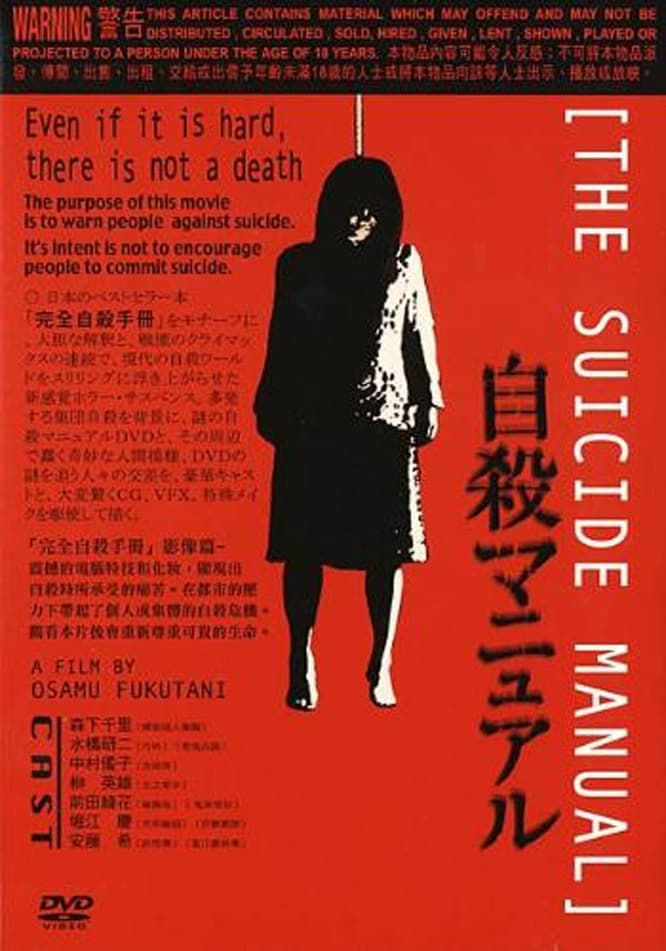



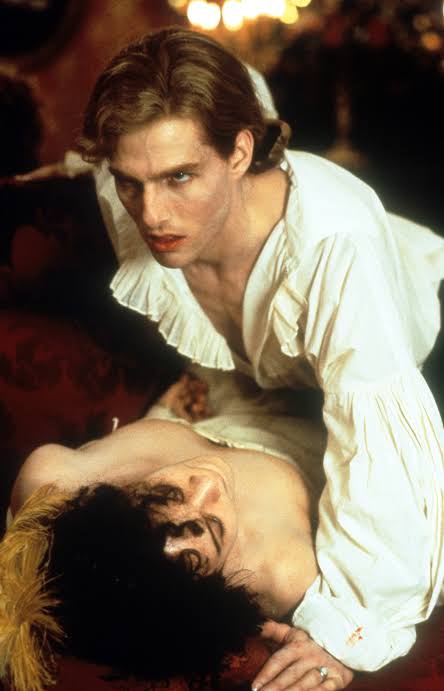
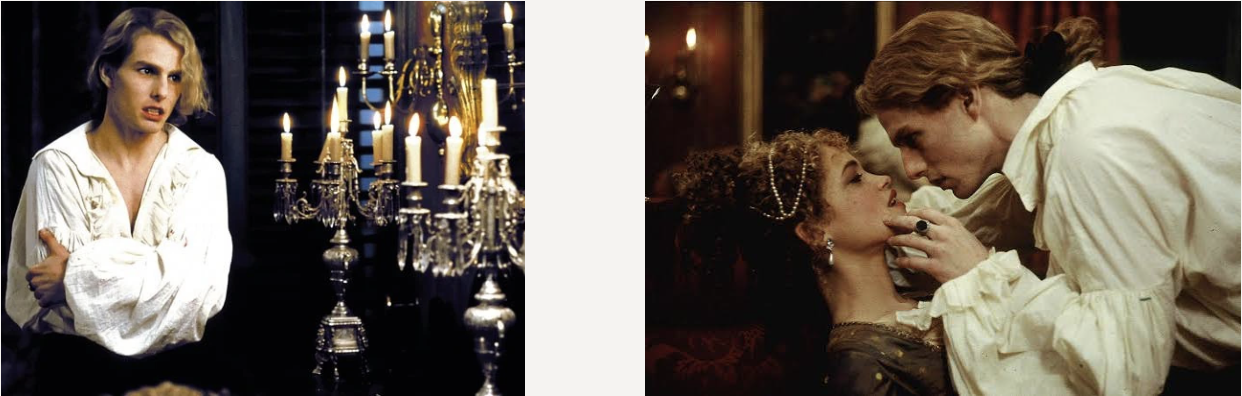
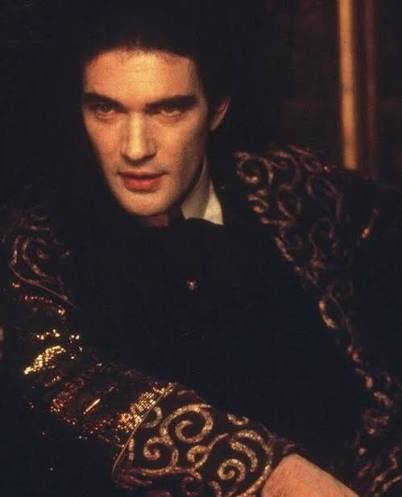
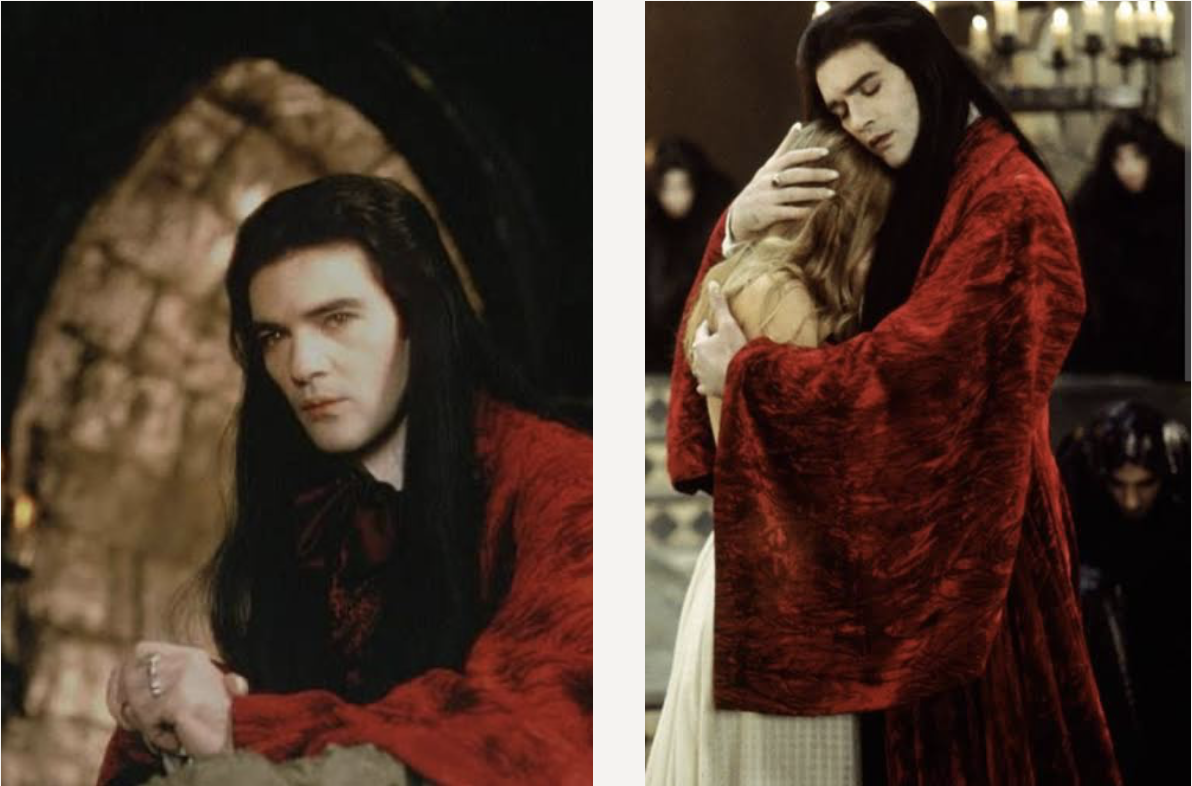


 Order Strigoi V11 was founded by a New York vampire Father Sebastian Tod Van Houten,who was somewhat of a celebrity vampire, attending interviews, going on TV, and even being interviewed by Oprah.













 In the 18th century, The practice of binding books in human skin was especially popular with doctors and physicians who kept the cadavers of patients’ they favored. They saw their leftover skin as something that could be used for a book cover.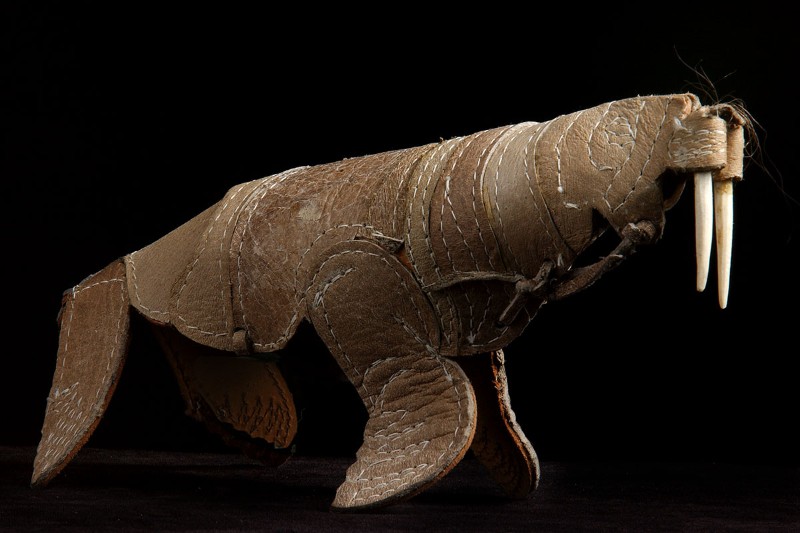








 Now available in North America